
Kids do not need to wait until the teenage years to become useful in a kitchen, but they also do not need to wield a chef’s knife because a chart says they are seven. I like teaching one real skill at a time, then adding complexity only after the previous step is boringly safe.
Kitchen Skills Are About Competence, Not Age Brackets
Age gives a rough starting point, but hand control, judgment, height, attention, and experience matter just as much. A child who has practiced measuring for years may be ready for more than an older child who rarely cooks.
I would ask: Can they do the task safely, understand what could go wrong, and stop when something feels unfamiliar? Those questions matter more than chasing a milestone list.
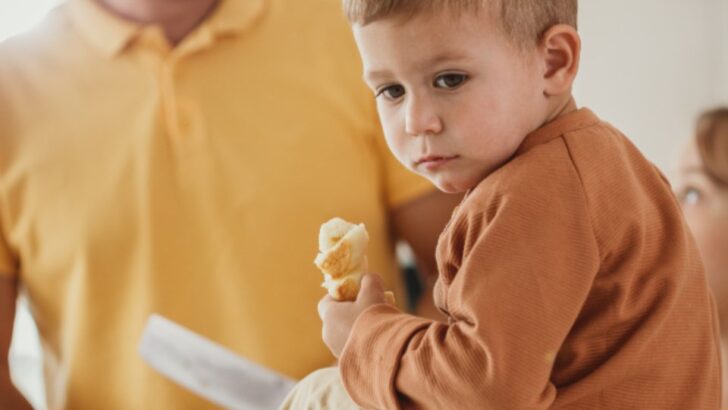
Kitchen Skills for Ages 2 to 3
At this age, the kitchen job is participation, not independence. Toddlers can wash sturdy produce, tear lettuce, carry napkins, stir cool ingredients with help, and move premeasured foods into a bowl.
They can also use safe real tools such as wooden spoons, silicone spatulas, lightweight bowls, and plastic measuring cups under close supervision. Keep hot surfaces, knives, raw meat, appliances, and cleaning products completely out of reach.
I like giving toddlers a parallel job beside the real cooking. Their bowl of lettuce or spoon can be legitimate work without slowing every adult step.
Kitchen Skills for Ages 4 to 5
Preschoolers can follow two- or three-step jobs such as rinse, tear, and place in a bowl. They can scoop dry ingredients, count items, spread soft toppings with an appropriate utensil, and set parts of the table.
Teach hand washing, keeping hair or loose clothing away from food-prep areas, and asking before touching unfamiliar equipment. These habits matter long before advanced cooking does.
Children this age can also begin learning that raw ingredients and ready-to-eat foods may require different handling. Keep explanations simple and let the adult remain responsible for the actual food-safety system.
Kitchen Skills for Ages 6 to 7
Early elementary kids can measure with cups and spoons, read simple recipe steps, crack eggs with supervision, peel easy foods with an age-appropriate tool when ready, assemble sandwiches, and make no-heat snacks.
This is also a good age to teach cleaning as part of cooking. Put ingredients away, wipe the workspace, carry safe dishes to the sink, and leave the kitchen ready for the next person.
I would introduce cutting only with direct adult instruction, soft foods, and a tool suited to the child’s current control. The child’s ability matters more than a birthday.

Kitchen Skills for Ages 8 to 9
Kids this age can usually take more ownership of familiar recipes. They can gather ingredients, measure accurately, read several steps ahead, mix, assemble, and begin managing simple timing.
They can learn more cutting skills with direct supervision, stable cutting boards, safe hand placement, and appropriate knives or tools. They can also begin learning appliance rules one at a time rather than being handed access to everything at once.
Cold breakfasts, simple lunches, smoothies with supervised blender use according to the appliance instructions, salads, and basic baked goods can all become useful practice depending on the household.
Kitchen Skills for Ages 10 to 11
Older elementary kids can increasingly manage complete familiar recipes while an adult remains nearby for heat, knives, or unfamiliar equipment. This is a good stage for learning how to time several components and clean as they go.
They can also start understanding why cooking order matters. Preheat before baking, start water before pasta is needed, prepare ingredients before the pan gets hot, and read all instructions before beginning.
I would focus on several “master recipes” rather than endless novelty. A child who can confidently make three breakfasts, three lunches, and several simple dinners is gaining real independence.
Kitchen Skills for Ages 12 to 13
Tweens can take responsibility for meal planning, ingredient checks, shopping lists, full recipe execution, and cleanup when the individual techniques have already been taught safely. Adults can move from constant coaching to check-ins.
This is a useful age for learning stovetop control, oven use, knife care, food-storage routines, and reheating according to the specific appliance and food. Each higher-risk skill should be taught directly rather than assumed.
Tweens can also learn how to recover from ordinary mistakes: sauce too thick, vegetables undercooked, recipe missing an ingredient, or timing that does not line up.

Kitchen Skills for Teens
Teens should gradually be able to plan, shop for, cook, serve, store, and clean up ordinary meals. That includes knowing when they are out of their depth and asking before improvising with unfamiliar equipment or food-safety questions.
Older teens can learn more advanced techniques based on interest: bread, sauces, roasting, meal prep, baking, grilling under appropriate adult rules, or cooking for a group. Competence should expand because the skill has been taught and practiced, not simply because the teenager is taller.
A teen leaving home with five reliable breakfasts, lunches, dinners, and snacks is in much better shape than one who has occasionally helped with impressive recipes.
Skill 1: Hand Washing and Workspace Hygiene
Teach kids when hands need washing, including before food prep and after handling raw ingredients, pets, trash, or anything dirty. Show how your family cleans work surfaces and which products are adult-controlled.
Do not make hygiene abstract. Connect the rule to the specific step the child is doing.
Skill 2: Measuring Accurately
Kids should learn the difference between teaspoons and tablespoons, dry and liquid measuring tools, and when a recipe cares about leveling. Baking makes accuracy especially visible.
Let kids make small mistakes in forgiving recipes and notice the result. Measuring becomes much more memorable when it changes the food.

Skill 3: Knife Safety
Knife training should be gradual. Start with soft foods and tools appropriate to the child’s skill, then move toward sharper knives only with direct instruction and consistent safe habits.
Teach a stable cutting board, deliberate movements, safe fingers, carrying rules, and where the knife rests when not in use. Stop the activity if attention or behavior makes the setup unsafe.
Skill 4: Heat Safety
Kids need explicit lessons on ovens, stovetops, microwaves, hot pans, steam, and boiling liquids. Teach where heat comes from, how long surfaces stay hot, and what protective equipment your kitchen uses.
Keep pot handles positioned safely, avoid reaching across burners, and teach children to announce when they are moving a hot item. An adult should remain involved until the child has demonstrated safe habits repeatedly.
Skill 5: Food Storage
Teach what goes in the refrigerator or freezer, what belongs in pantry storage, and why perishable food should not sit out unnecessarily. Older kids can label leftovers according to the household routine and learn which foods should be used sooner.
If the child is unsure whether something is safe to eat or store, the correct skill is asking.
Skill 6: Cleaning as You Go
Put ingredients away after using them, collect trash, rinse or soak tools when appropriate, and wipe small messes before they spread. This prevents the adult from becoming the invisible cleanup crew.
I like teaching that a cooking project ends when the kitchen is reset, not when the food comes out of the oven.
Skill 7: Reading Recipes Critically
Older kids should learn to scan for preheating, resting, chilling, marinating, or other timing instructions before starting. They should also notice when ingredients are divided or used in more than one step.
Ask “What could surprise us later?” before cooking. That question catches many recipe problems without an adult giving away the answer.
Skill 8: Timing Multiple Things
Once a child can make individual foods, teach the harder skill of getting them ready near the same time. Use a paper timeline for oven times, stovetop steps, resting, and cleanup.
This is where cooking starts to feel like running a real meal rather than completing a recipe.
Skill 9: Tasting and Adjusting
For foods that are safe to taste at that stage, teach kids to notice saltiness, sweetness, acidity, texture, and doneness before automatically adding something. Some dishes should not be tasted until ingredients are fully cooked.
Older kids can learn that adjustment should be small and deliberate. It is easier to add more than to rescue a bowl that received half the salt container.
Skill 10: Planning a Meal
Tweens and teens can learn to choose a main, side, produce, or other components that fit the household’s needs, then build a grocery list and timeline. The meal does not need restaurant-level complexity.
I would rather see a teenager confidently plan tacos, fruit, and a salad than struggle through a five-part menu chosen because it looked impressive.
Frequently Asked Questions
What kitchen skills can toddlers learn? Washing sturdy produce, tearing greens, stirring cool foods, carrying napkins, and pouring premeasured ingredients are practical starting points with close supervision.
When can kids use knives? Knife use should be based on demonstrated control, maturity, the specific tool and food, and direct adult instruction rather than one universal age.
When can kids use the stove? Stovetop independence should develop gradually after explicit heat-safety training and repeated safe practice with an adult present.
What kitchen skills should teens know before leaving home? Meal planning, grocery lists, basic knife and heat safety, food storage, several reliable recipes, cleaning, laundry-adjacent kitchen chores, and knowing when to ask for help are all useful.
The Bottom Line
Kitchen independence grows one boringly safe skill at a time. Let kids wash, measure, cut, cook, plan, and clean in increasingly meaningful ways as they demonstrate competence.
Do not rush the risky parts, and do not keep doing every easy part for them. The destination is a young adult who can feed themselves without calling home to ask how a measuring cup works.