
Your kid can rattle off every character in three different shows but has never noticed which way the wind is blowing.
That is not a character flaw. It is a math problem, and it has a simple fix once you know the actual numbers.
What the Experts Actually Recommend
The short answer is at least an hour of active outdoor time a day for most kids, though the real guidelines break it down more precisely by age.
The CDC recommends that kids ages 6 to 17 get 60 minutes or more of moderate to vigorous activity every day, and outdoor play is one of the easiest ways to rack that up without anyone calling it “exercise.”
For younger kids, the World Health Organization sets the bar even higher. Toddlers and preschoolers need 180 minutes of physical activity spread across the day, with at least 60 of those minutes at a more vigorous pace once they turn three.
None of these guidelines say the activity has to happen outside. But outside makes hitting the number about ten times easier, because kids naturally move more when there is grass, hills, and open space instead of a coffee table to navigate around.
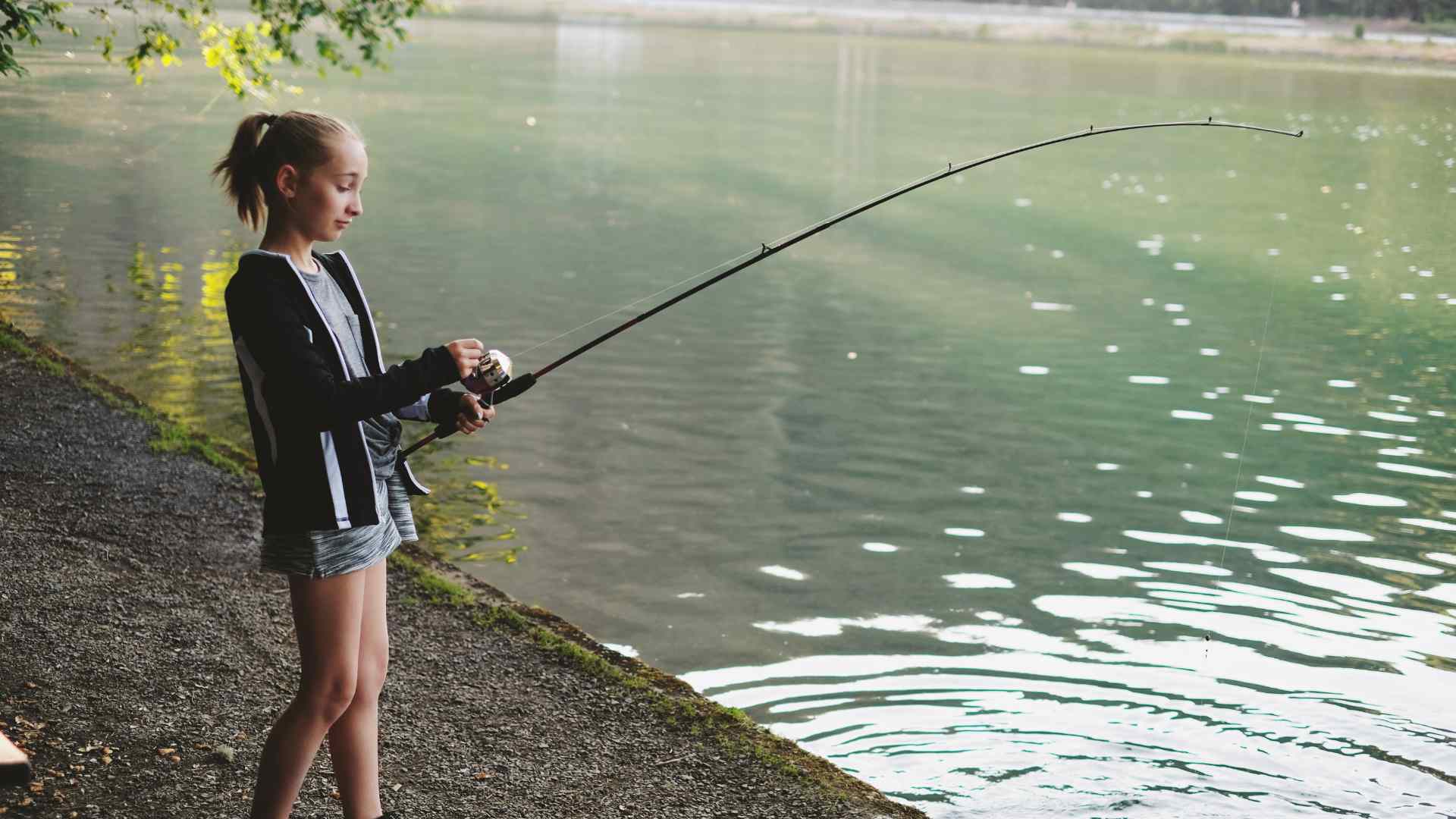
Outdoor Time Guidelines by Age
Nobody hands you a chart when you leave the hospital, so here is the plain English version broken down by stage.
Think of these as targets to aim for over the course of a week, not a strict daily quota you need to hit with a stopwatch.
The numbers shift as kids get older because younger bodies need more total movement, while older kids need fewer total minutes but more intensity within them.
Knowing the rough target for your kid’s age takes the guesswork out of whether today’s amount of outside time was actually enough.
Toddlers and Preschoolers (Ages 1 to 5)
This age group needs the most movement of anyone in the house, which explains a lot about your afternoons.
The WHO recommends 180 minutes of activity a day for kids under five, and toddlers this age genuinely do better outside than in, since there is more room to run and fewer breakable objects at toddler height.
A morning at the park, a walk to get the mail, and twenty minutes of digging in the dirt can add up to the full amount faster than you would think.
If you need structured ideas that do not require much planning, a rotating list of simple outdoor activities saves you from reinventing the wheel every single day.
Elementary Kids (Ages 6 to 12)
Once kids start school, the target shifts to the CDC’s 60 minutes of moderate to vigorous activity daily, and outdoor time is the most natural way to get there.
Recess, bike rides, backyard games, and neighborhood tag all count, and they rarely feel like exercise to a seven year old.
This is also the age where classic outdoor games start to click, since kids can finally follow multi-step rules without a meltdown over who is “it.”
If your kid resists at first, that resistance usually fades within a week or two once outside becomes the default instead of the exception.
Tweens and Teens
The 60 minute daily target still applies through age 17, but outdoor time gets harder to protect as school, sports schedules, and social lives get more complicated.
Screens compete harder for attention here too, which is part of why outdoor time and screen habits are so tangled together in the research.
If screens are the bigger blocker in your house, our guide to screen time limits by age pairs well with the outdoor targets in this post.
A tween does not need a nature hike for this to count as outdoor time. A walk with a friend or shooting hoops in the driveway works just as well.
Why Outdoor Time Beats Indoor Exercise
An indoor workout and an hour outside are not actually the same thing, even if the calorie burn looks similar on paper.
Kids who spend regular time in nature show better focus, lower anxiety, and fewer ADHD symptoms than kids who get the same amount of movement indoors.
Natural light also helps regulate the body’s internal clock, which is part of why outdoor time earlier in the day can make bedtime easier later on.
Sunlight exposure also supports vitamin D levels and healthy eye development, and both matter more during the growth years than most parents realize.
None of this means indoor activity is wasted. It just means outside carries a few bonuses that a treadmill or a living room dance party cannot fully replicate.
The Screen Time Connection
Here is the number that tends to stop parents mid scroll. The average American kid spends as little as 30 minutes a day in unstructured outdoor play, compared to more than seven hours in front of a screen.
That gap did not happen because parents stopped caring. It happened because screens are engineered to be easy, and outside takes a little more effort to start.
You do not need to flip that ratio overnight, and trying to will just set you up to feel like you failed by Tuesday.
Small, boring, repeatable swaps work better than one dramatic no screens announcement, and they tend to stick around a lot longer too.

What Actually Counts as Outdoor Time
Outdoor time does not mean a curated nature excursion with a checklist and a thermos.
It means the porch, the driveway, the sidewalk out front, and the ten minutes between the car and the front door if you let it stretch a little longer.
Unstructured time counts, and honestly it may matter more than the structured stuff, since kids get to decide what happens next instead of following someone else’s plan.
If your kid claims boredom the second a screen goes off, it helps to know that a little boredom is doing more good than it looks like in the moment.
Realistic Ways to Add More Outdoor Time
You do not need a grand plan. You need a few small habits that do not depend on your motivation on any given day.
Move one indoor activity outside, like snack time on the porch step or homework at the picnic table.
Park a little farther away and walk the extra two minutes. Trade one screen slot a day for outside time instead of trying to cut screens altogether.
Keep a bin of outdoor gear by the door so getting outside does not require a search for shoes, sunscreen, and a jacket first.
Invite a neighbor kid over. Outdoor time tends to last three times as long once there is another kid involved and nobody has to invent the fun alone.
What to Do When the Weather Is Bad
Bad weather stops far fewer outdoor adventures than most of us assume, and pediatric guidance largely agrees.
A light rain or a cold morning is rarely dangerous, and dressing for it is usually more effective than waiting for a perfect day that may not come this week.
Genuinely extreme heat, storms, or poor air quality days are the real exceptions, and those are the days to lean on indoor movement instead.
A stretch of active games indoors can cover the gap on those days without anyone standing at the window feeling cheated.
Signs Your Kid Needs More Time Outside
Some signs are obvious, like restlessness, trouble settling down at bedtime, or big reactions to small frustrations.
Others are sneakier, like a kid who seems bored constantly but never wants to go outside when you suggest it.
That resistance is normal at first, especially if screens have been the default for a while. Consistency wins here more than persuasion does.
Give it two weeks of low pressure outdoor time before deciding it is not working for your particular kid.
Most families notice the resistance fading around day ten, right about when outside quietly becomes the new normal instead of the ask.
Easy Ways to Start This Week
Pick one time of day, ideally right after school or right after dinner, and commit to outside time in that slot for a week.
Keep the bar low. A driveway chalk session or five minutes of catch counts just as much as a big outing.
If your kid needs a reason to go outside beyond “because I said so,” a simple scavenger hunt or a bug jar can turn ten minutes into forty without you doing much at all.
The Bottom Line
The numbers are helpful, but they are a floor to build toward, not a bar to clear perfectly every single day.
Sixty minutes for school age kids, 180 minutes for the under five crowd, and none of it has to happen all at once or look like a workout.
Some days will be five minutes on the porch. Other days will be a full afternoon at the park, and both count toward the same goal.
What matters most is that outside becomes a normal part of the day again, not a special event you have to plan around.

Frequently Asked Questions
How much outdoor time do kids need each day? Most kids ages 6 to 17 need at least 60 minutes of active time a day, and kids under five need closer to 180 minutes, though it does not all have to happen outside or all at once.
Does outdoor time have to be exercise to count? No, unstructured play like digging, walking, or sitting on the porch counts too, since the goal is movement and fresh air rather than a formal workout.
What if my kid refuses to go outside? Start small with five or ten minutes at a consistent time of day, and expect some resistance for the first week or two before it becomes routine.
Is cold or rainy weather a real reason to skip outdoor time? Usually not, since dressing for mild rain or cold works for most days, and only extreme heat, storms, or poor air quality are real reasons to stay inside.
Does outdoor time replace screen time limits? Not exactly, but they work together, since more outdoor time naturally leaves less room in the day for screens without a single rule being enforced.