
Composting sounds like a chore you will forget in a week, but with kids it becomes a tiny, stinky science experiment they check every single day.
No fancy bin required. Just a yard spot, some kitchen scraps, and a kid who suddenly cannot stop thinking about worms.
Why Composting With Kids Actually Works
Composting hands kids something screens rarely offer: a slow process they can see and control. Scraps go in one day, and something new comes out weeks later.
It also builds in outdoor time without you having to plan an activity. The CDC recommends daily active play for kids, and checking a pile, hauling scraps, and turning dirt adds up faster than you would expect.
Health guidance also points to plain old dirt time as a good counterbalance to heavy screen use, and composting is one of the few chores a kid will actually ask to do again. If you are building a rotation of easy, low effort outdoor activities, this one earns a permanent spot on your list of things to do outside.
A banana peel breaks down visibly within a few weeks in a well tended pile, giving kids something to check on like a countdown. Watching that happen week after week is exactly the kind of screen free routine most families want more of, not less.

What You Need to Get Started
You do not need a fancy tumbler or a science degree. A bin, whether store bought or homemade, a shady patch of yard, and a small container for kitchen scraps will get you going.
Short on outdoor space? A countertop worm bin works too, and we will get to that.
Either way, let your kid pick out or decorate the kitchen scrap container themselves.
A basic outdoor bin can cost as little as twenty dollars, or nothing at all if you build one from scrap wood or wire fencing. The kitchen container just needs a lid, so odors stay contained between trips outside.
Greens, Browns, and the Simple Ratio Kids Can Remember
Compost needs two kinds of ingredients, and the EPA calls them greens and browns. Greens are wet and nitrogen rich, like fruit scraps, vegetable peels, and coffee grounds.
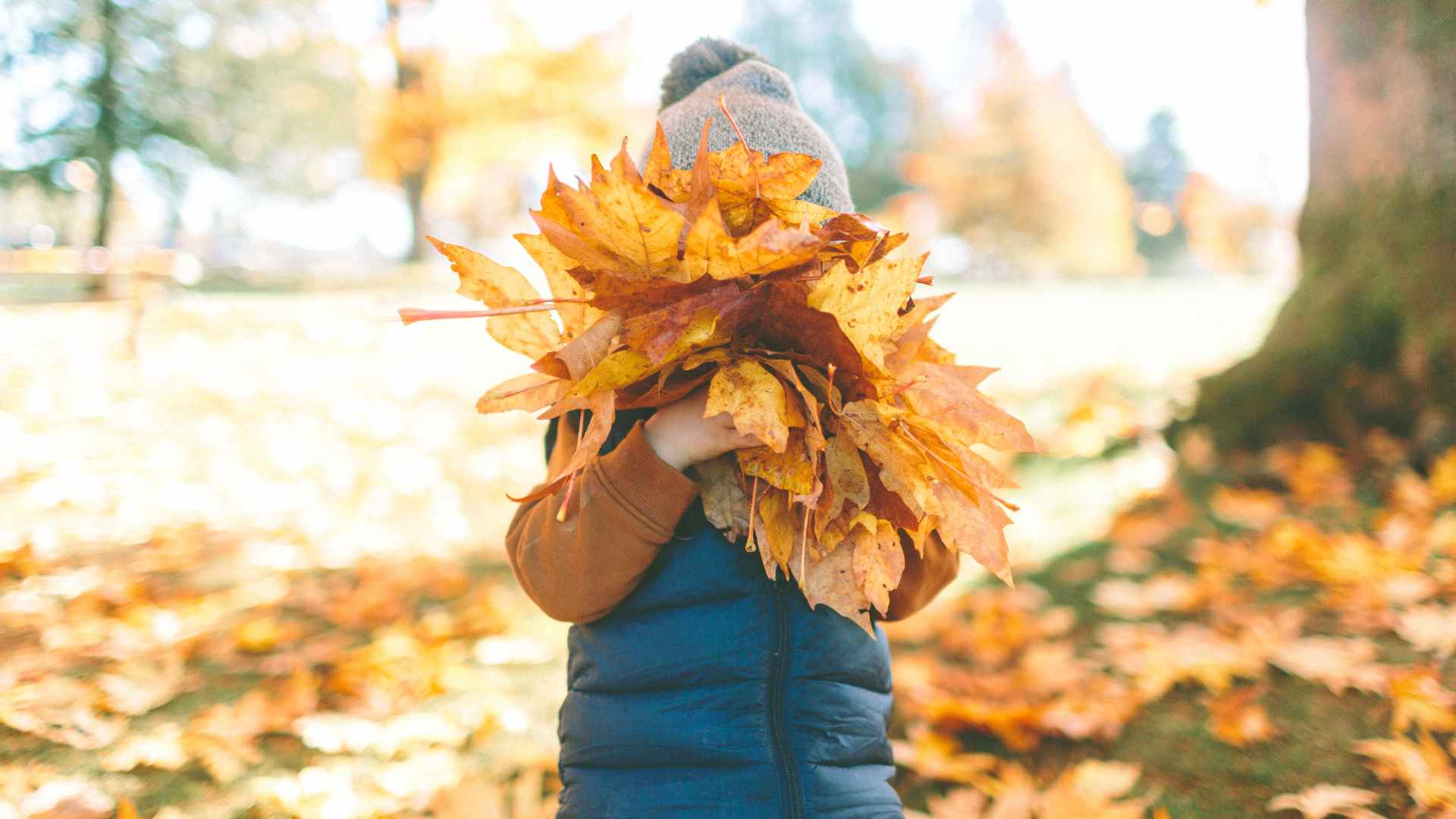
Browns are dry and carbon rich, like dead leaves, shredded paper, and small twigs. Tell your kid the pile wants roughly one part greens to two or three parts browns, and let them be the one in charge of “balancing” it.
A good rule of thumb for kids is that greens are usually anything that used to be alive and is still a little wet, while browns are dry and crackly. Save a bag of dry leaves every fall so you have plenty of browns on hand all winter.
Choosing the Right Spot and Bin
Pick a spot with decent drainage, a little shade, and easy year round access. Right against a fence is not ideal, since it makes turning the pile awkward.
Bins can be as simple as a wire circle or a stack of cinder blocks, or as tidy as a plastic tumbler with a crank. Let your kid help choose or build it, since ownership is what keeps this from becoming a chore only you remember.
A three foot by three foot patch of ground is plenty of room for most backyard piles. Partial sun tends to work best, since full shade slows everything down and full sun can dry the pile out too fast.
Building the Pile Together
Start with a thick bottom layer, four to six inches, of chunky browns like twigs or wood chips. This lets air move underneath the pile, which keeps things from turning slimy.
From there, layer greens and browns like lasagna, adding a splash of water if things look dry. Handing your kid the hose for this part is usually a bigger hit than the compost itself.
Aim for a pile that feels like a damp, wrung out sponge, not soggy and not bone dry. If your kid squeezes a handful and water drips out, add more dry browns to balance it back out.
What Goes In
Fruit and vegetable scraps, eggshells, coffee grounds, paper tea bags, and shredded plain paper are all fair game. Let your kid sort the kitchen scraps into a “yes” pile and a “not yet” pile before any of it goes outside.
This sorting step does double duty. It builds categorizing skills and cause and effect thinking, the same skills that show up in a good kids’ gardening routine.
Crushed eggshells add calcium and break down faster when kids smash them first, which happens to be a favorite job around here. Small amounts of plain bread, pasta, or rice are fine too, as long as they are not covered in sauce or butter.
What Stays Out
Meat, dairy, and greasy leftovers attract pests and do not break down well in a backyard pile. Pet waste, treated or painted wood, and glossy paper are also off limits.
Keep this “stays out” list somewhere visible, like taped above the kitchen scrap bin. It turns kitchen sorting into a quick game instead of a constant question for you.
Weeds that have already gone to seed are another item to skip, since a home pile rarely gets hot enough to kill the seeds. Sticking to plain fruit and veggie scraps keeps the whole system simple for younger kids.
Turning It Into a Weekly Ritual
Pick one day a week to “check the pile” together, maybe Saturday morning before anything else is planned. Turning it with a shovel or pitchfork gives kids a job that feels satisfyingly physical.
This weekly check also catches problems early, like a smell that means too many greens got added. Five minutes a week beats a smelly surprise a month later.
Keep a small notebook or chart near the bin where your kid can mark an X each week they help turn it. Little rituals like this are part of what makes a routine stick past the first two weeks of excitement.
Worm Composting: A Great Option for Small Spaces
No yard? A worm bin, known as vermicomposting, works on a porch, in a garage, or even under a sink.
Red wiggler worms eat scraps and turn them into rich, dark castings.
Kids tend to find worms genuinely fascinating rather than gross, especially once they get to hold one. It is a low commitment way to try composting before ever building an outdoor pile.
A one pound bag of red wigglers, roughly a thousand worms, can process about half a pound of scraps a day once established. Most bins sold for home use are small enough to tuck into a closet or fit under a counter.
What Kids Learn From Watching Decomposition
Watching a banana peel disappear over a few weeks teaches patience in a way that is hard to fake. It also introduces real biology, like the roles of microorganisms, oxygen, and moisture, without a single textbook.
The Children and Nature Network has long highlighted this kind of repeated, hands-on outdoor contact as good for attention and mood in kids. A compost pile crawling with pill bugs and worms also makes a perfect excuse for an afternoon of bug hunting.
Kids also start noticing the smaller creatures that show up along the way, like pill bugs, beetles, and the occasional curious toad. That kind of everyday noticing is a skill in itself, one that does not come naturally from a screen.
Troubleshooting: Smells, Pests, and Slow Piles
A bad smell almost always means too many wet greens and not enough dry browns. Add shredded paper or dry leaves and turn the pile to fix it fast.
If pests show up, bury fresh scraps under a layer of browns instead of leaving them exposed on top. A pile that seems stalled usually just needs more moisture, more turning, or a little more patience.
Fruit flies are usually a sign that scraps were left uncovered on top of the pile. Burying new additions under a few inches of browns each time solves this in a day or two.
Ages and Stages: What Each Age Can Actually Do
Toddlers can drop scraps into the bin and help water the pile with a small watering can. Preschoolers can sort greens from browns and use a kid sized shovel to help turn things.
Grade schoolers can track how fast the pile is breaking down, maybe even in a simple notebook. Tweens can take on the whole weekly check as a job that is fully theirs.
Even a two year old can help toss a handful of dirt onto the pile with supervision close by. By age nine or ten, most kids can manage the whole process from scrap collection to turning without much reminding.
Using the Finished Compost Together
Finished compost is dark, crumbly, and smells like a forest floor, not like trash. Let your kid help spread it around a garden bed, a few potted plants, or a backyard tree.
If you do not already have a garden going, this is a natural moment to start a small garden with your kid or try a few easy vegetables to grow. Watching something grow in soil they helped make is the part that really sticks.
You will know compost is ready when you can no longer identify the original scraps and the texture looks like rich, dark soil. A light layer worked into the top few inches of soil is usually all a garden bed needs.

Frequently Asked Questions
What age can kids start composting? Most kids can start helping around age three, dropping scraps into a bin or watering the pile.
Does a compost pile smell bad? A well balanced pile with enough dry browns should smell earthy, not rotten.
How long does it take to get finished compost? A backyard pile typically takes two to six months depending on the season and how often it gets turned.
Can we compost without a yard? Yes, a small worm bin works fine on a porch, in a garage, or even indoors under a sink.
What should never go into a compost pile? Meat, dairy, greasy food, and pet waste should stay out since they attract pests and will not break down properly.