
The waiting room toys are gone, and your kid is one long stare away from a meltdown.
Good news: you do not need a screen to buy yourself twenty calm minutes, just a few tricks that fit in your pocket.
Why Waiting Rooms and Long Lines Melt Down So Fast
Kids do not experience time the way adults do, so five empty minutes can feel like an hour with nothing to hold onto. Add hard chairs, fluorescent lights, and zero control over what happens next, and a meltdown starts to make sense.
Think about the classic offenders: the pediatrician’s waiting room, the DMV counter, a restaurant table before the food arrives, or the car line at school pickup. Each one has its own flavor of boredom, but the same handful of tools work across nearly all of them.
The part of the brain that manages patience is still under construction well into elementary school, according to the National Association for the Education of Young Children. That is not a discipline problem, it is a wiring problem, and it responds better to distraction than to a lecture.
The American Academy of Pediatrics also points out that families are constantly navigating media choices, so having strong non-screen options ready makes those choices easier in the moment. That is really what this whole list is for.
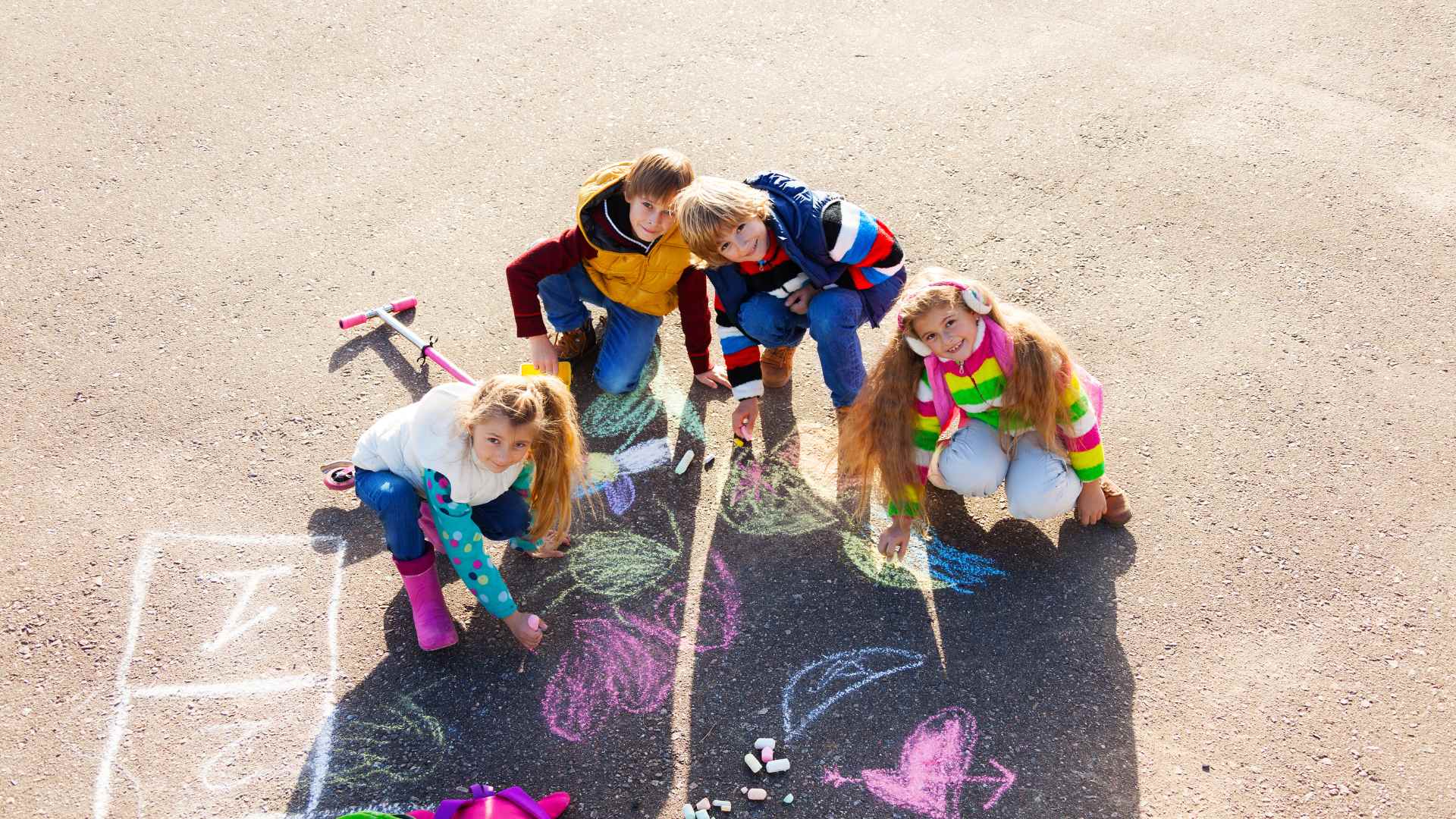
Build a Grab-and-Go Waiting Kit
Keep a small zippered pouch in your bag with a few reliable items so you are never starting from scratch. Think tiny notebook and pencil, a mini deck of cards, a couple of finger puppets, and a handful of stickers.
Keep a second stash in the car too, since the school pickup line and the drive-through count as waiting just as much as a lobby does. Our car games for kids list is worth bookmarking for exactly those stretches.
Rotate the contents every few weeks so nothing goes stale, and let your child help pick what goes in next. A kit that feels boring by week three has stopped doing its job.
Word and Guessing Games That Only Need Your Voice
I Spy still works because it turns a boring room into a scavenger hunt. Pick something visible, give one clue, and let your child guess until they get it.
Twenty Questions is another reliable one for kids who can hold a category in their head, usually around age five and up. Pick a person, animal, or object, and answer only yes or no.
These games build vocabulary and listening skills without anyone noticing it is happening, since you are just having a conversation. The Zero to Three guidance on early play backs this up: back and forth talk is one of the biggest drivers of language growth in young kids.
Finger Games and Hand-Clapping Rhymes
Thumb wrestling, Miss Mary Mack, and finger puppets made from your own hand take zero supplies and buy several minutes of full engagement. Even a simple game like this little piggy works on a toddler strapped into a stroller.
For older kids, teach a clapping pattern once and let them run it back to you over and over. Repetition is the whole point, it gives their hands something to do while their brain settles.
Doodle and Paper Games for Tiny Spaces
A small notebook turns any wait into an art studio. Tic tac toe, dots and boxes, and hangman all fit on a single page and only need two players.
If you forgot paper, the back of a receipt or an appointment reminder works fine. The goal is a shared task, not a masterpiece.
Quiet Fidgets and Sensory Tricks
A small stretchy toy, a smooth stone, or a zippered pouch to fiddle with can help a wiggly kid stay in their seat. Fidgeting is not misbehavior, it can actually help some kids settle in while they wait.
Keep the item small and quiet so it does not become its own distraction for other people in the room. A hair tie worn on the wrist and pulled gently works in a pinch if you forgot to pack anything.
Counting, Categories, and Other Quick Math Games
Count ceiling tiles, red cars, or people wearing sneakers together out loud. It keeps busy hands still and busy minds occupied, and toddlers love just repeating numbers after you.
For older kids, try a category game: pick a letter and name an animal, food, or country that starts with it. Take turns until someone gets stuck, then start a new letter.
The license plate game is another classic for anyone stuck in a slow moving line of cars. Call out states or letters as you spot them, and keep a running tally on your fingers.

Riddles and Would You Rather for Big Kids
Would You Rather questions are perfect for a line that will not move, since there is no setup and no supplies. Ask something silly, like whether they would rather have spaghetti hair or jellybean teeth, and let the debate run as long as the wait does.
Riddles work the same way and add a little suspense to the wait. Keep a few in your back pocket, or check our would you rather questions and riddles for kids for a ready-made list.
Tiny-Motion Movement Games
Not every movement game needs space. Try a silent staring contest, a thumb war tournament, or seeing who can wiggle their ears, or at least try.
For kids who need to move more than a chair allows, a quick trip to look out a window or walk to a water fountain and back can reset the whole mood. A change of scenery for sixty seconds does more than it seems like it should.
Seated stretches work too, things like reaching arms overhead, rolling shoulders, or pointing and flexing toes under the table. Nobody around you will even notice, and it takes the edge off a wiggly body.
Books, Audiobooks, and Podcasts for the Wait
A paperback that fits in a bag or purse is still one of the most reliable waiting room tools ever invented. For kids who are not reading independently yet, a short audiobook or a kid-friendly podcast episode works just as well through a single earbud.
Reading together, even a few pages while you wait, builds vocabulary and gives you something to talk about besides how much longer this is going to take. If you want more ways to build the habit at home, our guide on encouraging a love of reading has ideas that carry over nicely into waiting rooms.
Give Them a Job: Involving Kids in the Wait
Kids handle waiting better when they feel useful instead of powerless. Let them hold the clipboard, check in with the front desk, or watch the number board and announce when it changes.
In a checkout line, ask them to count how many items are in the cart or help load things onto the belt. A job turns nothing to do into something to do, which is really the whole trick.
Older kids can be the official timekeeper, checking a watch or phone and reporting back how many minutes have passed. It gives them a sense of control over something that otherwise feels completely out of their hands.
Age-by-Age Tweaks
Babies under one mostly need a change of scenery and a favorite soft toy to mouth or shake, since games are not really the point yet. A short bounce, a gentle walk around the room, or a peekaboo game with your own hands usually does the trick.
Toddlers do best with sensory items and short, repetitive games like peekaboo or naming colors, since their attention span is measured in single minutes. Preschoolers can handle I Spy, simple riddles, and short doodle games that last five or ten minutes at a stretch.
School-age kids can hold a Twenty Questions game or a category challenge for much longer, and they often like being the one in charge of a game. Tweens and teens may roll their eyes at first, but most will still play along with Would You Rather or a quiet card game once someone else starts it.
When the Wait Gets Genuinely Too Long
Sometimes twenty minutes turns into ninety, and no amount of finger games will cover that gap gracefully. It is okay to have a backup plan, whether that is a snack, a short walk outside if you can step out and back in, or yes, occasionally a screen.
A small snack and some water can also stretch your buffer considerably, since a hungry kid loses patience twice as fast as a fed one. Keep something shelf stable in your bag so you are not relying on a vending machine.
The goal here is not zero screens forever, it is having enough non-screen tools that the screen becomes a choice rather than the only option. If screen time has quietly become the default in your house and you want to shift that, our screen-free parenting beginners guide is a gentle place to start.
Current guidance from the National Institutes of Health suggests limiting recreational screen time for older kids to one to two hours a day, which leaves plenty of room for the occasional waiting room show without any guilt attached. The point of this whole list is simply to make sure a screen is not the only tool in the bag.

Frequently Asked Questions
What is the best screen-free activity for a toddler in a waiting room? Simple sensory items and a short game of naming colors or objects around the room tend to work best, since a toddler’s attention span is measured in single minutes.
How long can a preschooler realistically wait without a screen? With a mix of games and snacks, most preschoolers can manage ten to fifteen minutes of screen-free waiting before they need a change of activity.
What should I keep in a waiting room kit for kids? A small notebook, a pencil, a mini deck of cards, a couple of finger puppets, and a quiet fidget toy cover most ages and situations.
Are fidget toys actually helpful, or just a distraction? For many kids, a small quiet fidget gives restless hands something to do so the rest of their attention can stay on staying calm.
Is it okay to use a screen sometimes during a long wait? Yes, an occasional screen during a genuinely long wait is not a failure, especially when it is one option among many rather than the only tool you have.