
Camping is supposed to be the one trip where screens quietly disappear.
Then day one hits, someone is bored, and you are standing by the tent wondering what to pack. This checklist covers exactly that, gear and games included.
Why Screen-Free Camping Works So Well
A campsite does a lot of the work for you. There is no wifi to fight about, no bedtime scrolling, just fire, dirt, and whatever your kid finds under a log.
Unstructured outdoor play like this supports attention, creativity, and stress recovery in kids, according to Children and Nature Network research on nature and child development.
This checklist is meant to be a companion piece to our full camping trip with kids guide. Use that one for the big picture and this one for exactly what to pack.
Even one weekend away is enough to reset habits back home. Kids come back having proven to themselves that boredom passes and something else always fills the space.
Set Expectations Before You Even Pack the Car
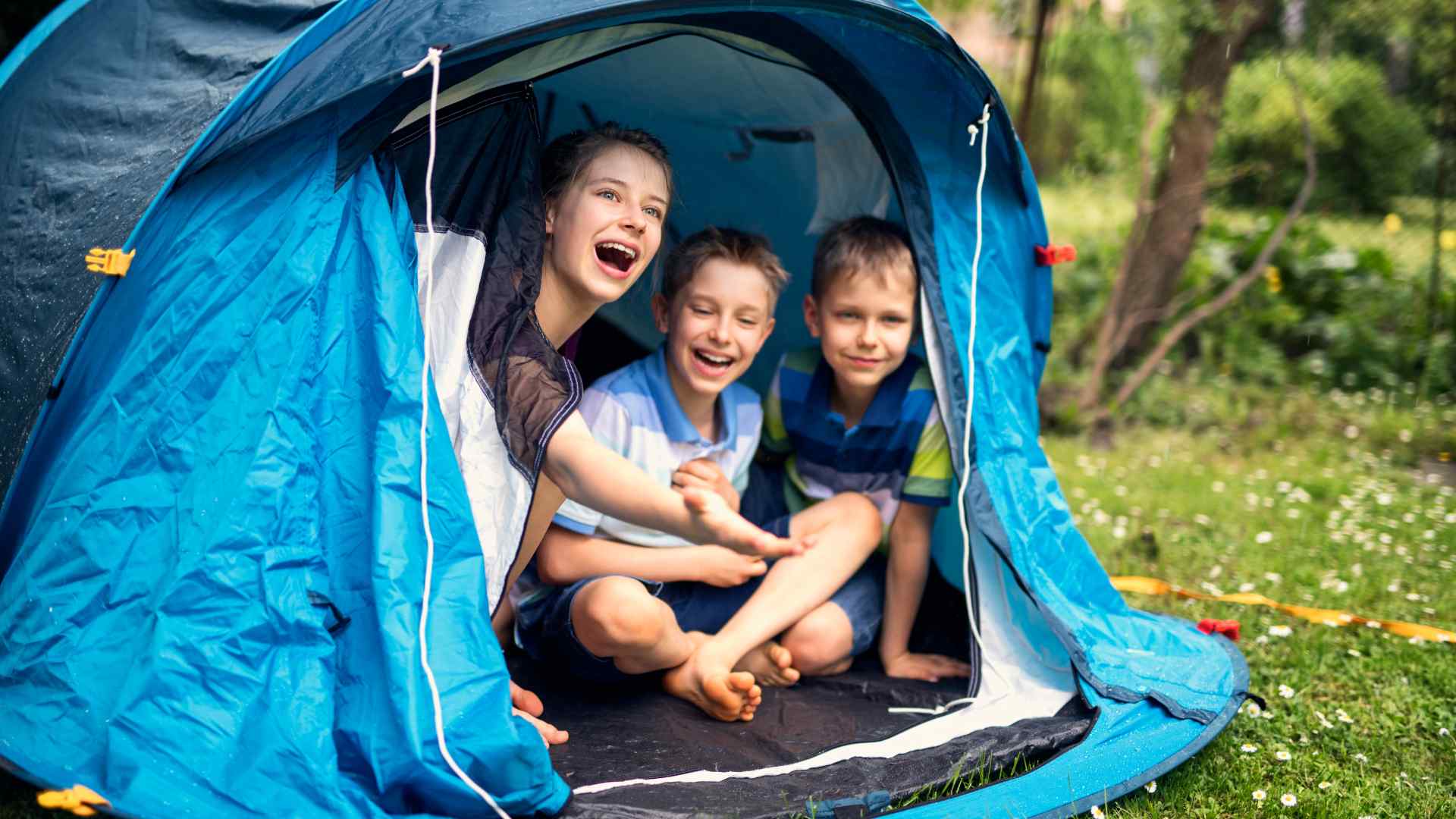
Tell your kids the plan before the drive, not after you have already said “no phone” for the tenth time. Something like, “this weekend is a screen-free camping trip, we brought other stuff to do instead” sets the tone early.
The car ride there counts as part of the plan too. Our car games for kids list keeps the drive itself screen-free, which sets expectations before you even arrive.
If your family is easing into less screen time in general, our screen-free parenting beginners guide is a good place to start.
Let older kids help pick two or three non-screen activities themselves. Buy-in matters more than any single item on this list.
The Core Gear List: What to Pack Instead of Devices
These are the items that consistently earn their spot in the car, regardless of age. Pack them in a separate bin so they do not get buried under sleeping bags.
- Binoculars, kid sized if you have them
- A deck of cards and one simple dice game
- Sketchbook, pencils, and a small sharpener
- A cheap magnifying glass for bug and rock inspection
- Glow sticks or a headlamp for each kid
- A nature journal or plain notebook
- Rope or paracord for camp jobs and games
- A frisbee or a soft ball
- A small set of trivia or riddle cards
None of this needs to be fancy or new. A dollar store magnifying glass works exactly as well as an expensive one for a seven year old hunting for pill bugs.
A few of these items earn their keep well beyond this one trip. The nature journal and binoculars in particular tend to become regulars on hikes and backyard afternoons long after the trip ends.
Age 3 to 5: What to Bring
Preschoolers need short activities and big sensory input, things they can touch, dump, and pour. Bubbles are shockingly effective at a campsite.
- Bubbles and a bubble wand
- Chunky sidewalk chalk for rocks or the picnic table
- A small bucket and shovel for dirt or sand
- A few board books or a favorite paperback for quiet time
- A stuffed animal camp buddy for comfort
Keep expectations realistic here. A three year old will not hike for hours, and that is perfectly fine because the campsite itself is the adventure.
Age 6 to 9: What to Bring
This age group can handle real jobs and longer stretches of independent play. Give them ownership and they will disappear into the woods for an hour, in a good way.
- A kid safe pocketknife or whittling kit with supervision
- A field guide to local birds, bugs, or trees
- A journal for daily camp reports
- Playing cards for games like Go Fish or War
- A simple fishing kit if you are near water
This is prime bug hunting age. Hand them a jar with holes poked in the lid and a mission, and you will not hear from them for a while.
Age 10 and Up: What to Bring
Tweens and teens do best with a bit of responsibility and something that feels a little grown up. Real tools and real tasks go a long way here.
- A compass or a basic navigation tool
- A multi tool for camp chores
- A book, journal, or sketchbook they actually chose
- Card games or a travel sized strategy game
- A camera, the old fashioned kind if you have one
Older kids often resist the idea of a screen-free trip out loud while secretly loving it once they are there. Give them a real job, like fire tending or navigation, and the resistance tends to fade fast.
Campsite Setup Jobs Kids Can Own
Setup and teardown eat up more time than people expect, and that time is pure gold for keeping kids busy without a device in sight. Assign real jobs instead of a vague “go play.”
- Gathering kindling and sorting it by size
- Laying out sleeping bags and pillows
- Setting up camp chairs and the table
- Filling water jugs or the water cooler
- Building the fire ring border with rocks
Kids as young as four can help with simple sorting tasks. It builds real competence and it buys you twenty uninterrupted minutes to finish pitching the tent.
Rotate jobs each night so nobody gets stuck only filling water jugs. A simple chore chart taped to the cooler keeps arguments about whose turn it is to a minimum.
Daytime Activities That Fill the Hours
Daylight hours at camp are long, especially if you are used to a screen filling the gaps. A loose plan for morning, midday, and afternoon prevents the dreaded “what now” spiral.
- A short nature scavenger hunt, pinecone, feather, smooth rock, something red
- Rock skipping or rock stacking at the water’s edge
- A family hike with a snack at the turnaround point as the goal
- Camp chores turned into a timed challenge
- Free build time with sticks, rocks, and mud
The CDC recommends kids get 60 minutes of physical activity a day, and a single camp hike can knock most of that out before lunch.
Midday heat is a natural cue to slow down rather than reach for a screen. Use that window for quieter activities like journaling or a card game in the shade.
Golden Hour and Evening Activities
Evenings are where screen-free camping really earns its reputation. The light gets soft, the bugs come out, and everyone slows down without anyone forcing it.
- Stargazing, no app needed, just a blanket and patience
- Flashlight tag once it is fully dark
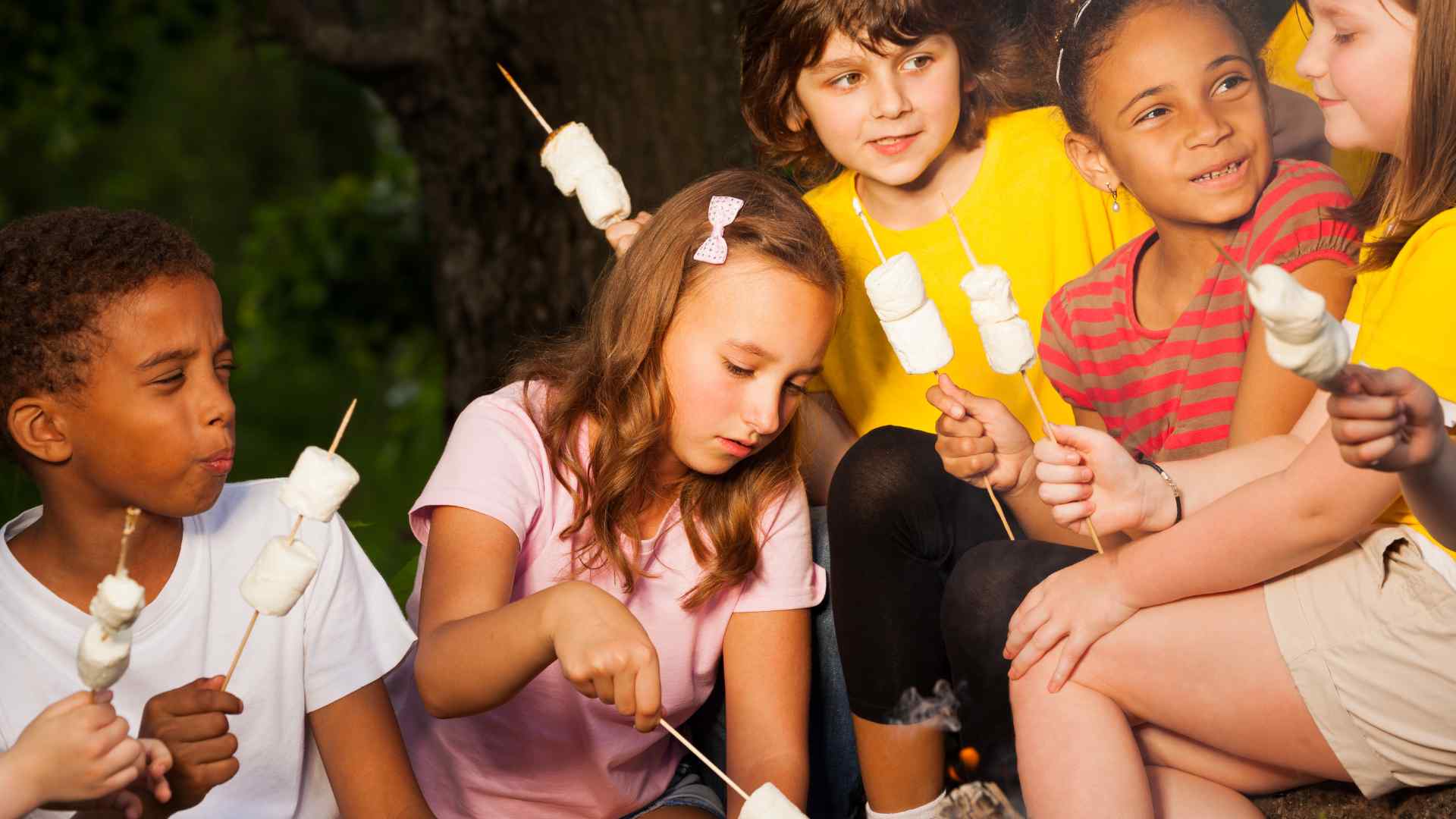
- S’mores with a rotating story around the fire tradition
- Shadow puppets against the tent wall with a headlamp
- A quiet walk to spot fireflies or listen for owls
Many national parks run junior ranger programs built around exactly this kind of unplugged evening activity. The National Park Service Junior Ranger program has themed booklets for astronomy, wildlife, and more if you want a bit of structure.
Keep a flashlight rule simple, on for walking, off for stargazing. It is an easy way to give kids a bit of nighttime independence without losing track of anyone.
What to Do About First Day Withdrawal
Be honest, the first few hours can be rough if your kid is used to a lot of screen time. Restlessness and complaining are common, and they are not a sign you did something wrong.
That flat, restless feeling is actually doing something useful. Our benefits of boredom for kids post explains why the discomfort is worth pushing through.
The discomfort is usually temporary. By day two, most kids have settled into the slower rhythm and stopped asking.
Handling the “I’m Bored” Moment
It will happen, usually around hour three of day one. Resist the urge to hand over a device to fix it, the boredom is actually the point.
Try naming a job instead of an activity, camp scout, fire helper, water fetcher. Kids respond better to a role than to a vague suggestion to go find something to do.
A simple prompt works too. Ask what they can find that is smaller than their thumb, or louder than a bird, and let them run with it.
Safety Extras Worth Packing Anyway
Screen-free does not mean phone-free for the adults. Keep one charged phone in the car or tent for emergencies, weather checks, or reaching a ranger station.
Pack a basic first aid kit, a paper map of the area, and a flashlight per adult. If you are near water, life jackets are non negotiable regardless of swimming ability.
Bug spray and sunscreen deserve their own pouch so they do not get lost in the gear bin. A quick look at the AAP’s media guidance can also help you set phone boundaries for the adults on the trip, not just the kids.
Write your campsite number and a family meeting spot on an index card for each kid. It sounds excessive until the one time someone wanders past the neighboring site.
The Full Screen-Free Camping Checklist
Here is the whole list in one place, ready to screenshot or print before you pack the car.
- Binoculars, a magnifying glass, and a field guide
- Cards, dice, or a small travel game
- Sketchbook, journal, or nature notebook
- Glow sticks or a headlamp for each kid
- Age appropriate tools, chalk, a pocketknife, or a compass
- A camp job list for setup and teardown
- A bag of go to evening activities, cards, stories, stargazing
- One charged phone for emergencies, kept out of sight otherwise
- First aid kit, bug spray, sunscreen, and a paper map
Pack it the night before, not the morning of. A calm packing job means a calmer drive, and a calmer drive means everyone arrives ready for fun instead of already worn out.
Cross items off as you load the car so nothing gets left behind in the garage. A five minute check before pulling out of the driveway beats realizing halfway there that the cards got left behind.

Frequently Asked Questions
What age is right for screen-free camping? Most families can start as young as two or three, with realistic expectations and shorter outings.
What if my kid has never gone this long without a screen? Start with a single overnight trip before attempting a longer one, so the adjustment feels manageable.
Should I bring a phone at all? Yes, one charged phone per family for emergencies and navigation is a smart safety choice; keep it out of sight for anything else.
What if it rains for most of the trip? Pack a few of the quiet activities, like cards and a sketchbook, in a dry bag so weather does not force you back to a screen.
How do I handle boredom without giving in? Give it fifteen to twenty minutes before stepping in, since most kids find their own activity once they stop expecting to be entertained.