
Twenty minutes into the playdate, both kids are parked in front of a tablet watching someone else play a game.
That is not what either of you signed up for, and it does not have to happen again.
Why the Screen Comes Out at Playdates in the First Place
Screens feel like the easy button when two kids who do not know each other very well end up in your living room together. It is quiet, it is fast, and nobody fights over whose turn it is.
But that quiet comes at a cost, because playdates are actually where kids practice the hard stuff, like sharing, negotiating, and reading another kid’s mood. Pediatric research on play from the American Academy of Pediatrics has found that peer play specifically builds negotiation skills and executive function in ways solo screen time simply cannot.
If you have ever caved and handed over the tablet ten minutes into a playdate, you are in very good company. That is not a parenting failure, it is just what happens when two kids and one distracted adult end up in the same room.

Set the Stage Before Anyone Rings the Doorbell
The single best thing you can do happens before the guest even arrives, and it takes about five minutes.
Pick two or three activities ahead of time and set out the supplies where kids can see them. A pile of dress up clothes or a half built block tower says “start here” a lot louder than an empty room does.
If you know the other parent, it also helps to agree on the screen rule beforehand. That way nobody ends up being the “mean house” when the tablet never comes out.
It also helps to do a quick sweep for anything you would rather not referee, like a favorite toy nobody is allowed to share. Putting a few precious items out of sight ahead of time heads off at least one argument before it even starts.
Backyard and Outdoor Activities That Never Get Boring
Fresh air changes the whole tone of a playdate almost immediately. Kids who were awkward and stiff indoors tend to loosen up within minutes of getting outside.
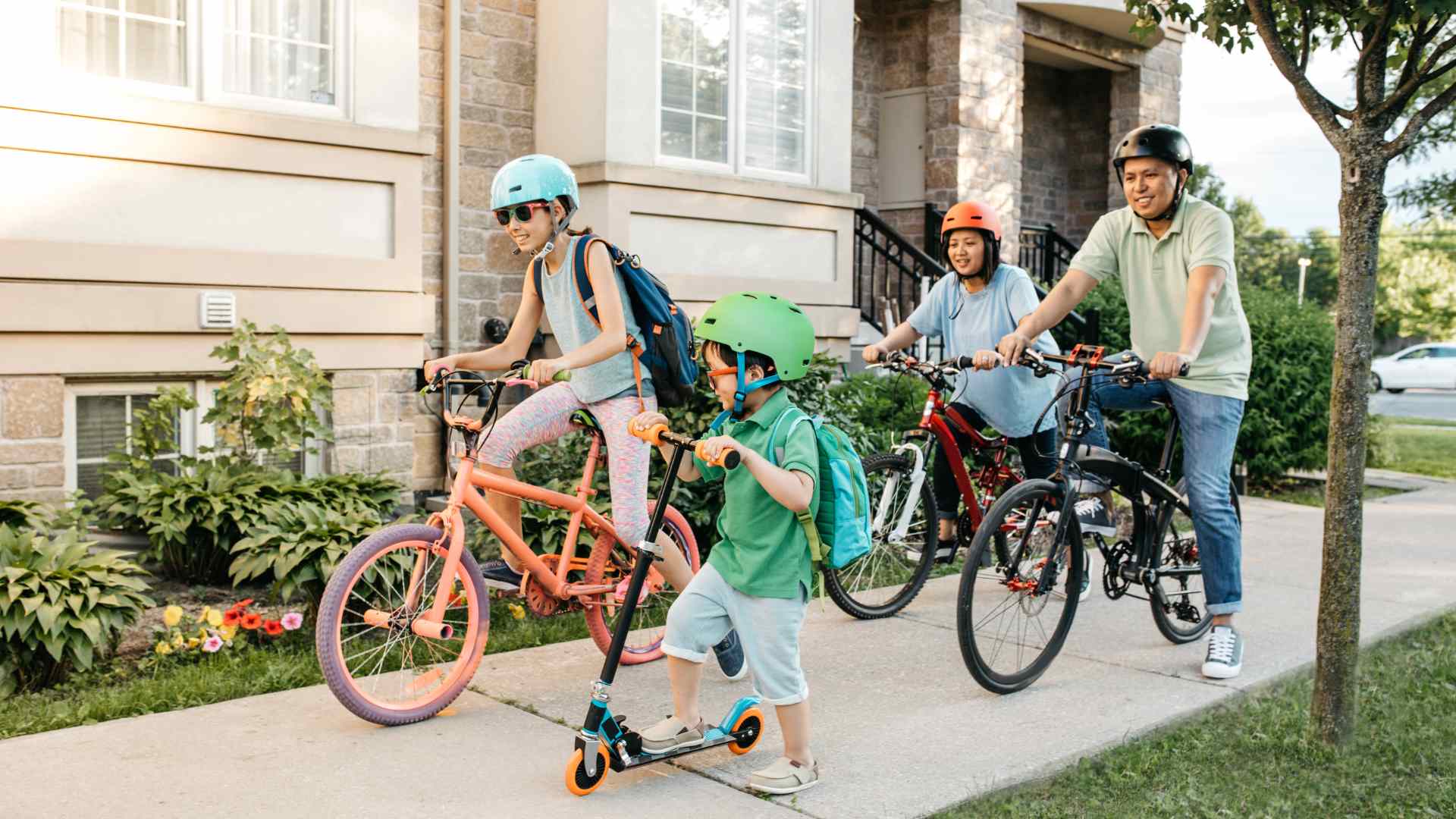
A backyard obstacle course built from lawn chairs, a hula hoop, and some sidewalk chalk lines will occupy two or three kids for close to an hour. Add a stopwatch and suddenly everyone wants a second try.
A round of water balloons or a simple game of tag also works, and it all counts toward the movement kids need anyway. The CDC recommends kids ages 6 to 17 get 60 minutes of activity a day, and a good outdoor playdate can knock out most of that in one visit.
Kitchen and Table Activities for Rainy Days
When the weather will not cooperate, the kitchen table becomes playdate headquarters. Two kids decorating cookies or building snack skewers rarely need much supervision once they get going.
Simple no bake recipes work best, since nobody has to wait around for an oven timer. Think trail mix bars, English muffin pizzas, or a build your own snack board with little bowls of toppings.
For a longer list of backups, our rainy day crafts roundup is worth bookmarking for the next storm.
If allergies are a concern, ask the other parent ahead of time rather than guessing at snack time. A quick text the day before saves everyone an awkward conversation at the counter.
Build Something Together
Give two kids a pile of couch cushions and a bedsheet, and you will not hear from them for a while. Building something together is one of the fastest ways to turn strangers into a team.
An indoor fort is the classic option, but a Lego challenge works just as well, especially with a shared goal like building the tallest tower that can hold a stuffed animal.
The building itself matters less than the collaborating. Kids negotiate, disagree, and problem solve their way through it, which is exactly the kind of practice a good playdate is for.
Keep a small bin of basic supplies, like cardboard scraps, tape, and string, on hand so a new project can start the moment inspiration strikes. Kids rarely need much more than that to get going.
Art and Craft Projects That Keep Hands Busy
Art projects are a safe bet because kids can work side by side without needing to talk the whole time, which takes some pressure off. That is especially helpful for kids who are shy or still warming up to each other.
Keep the mess manageable with washable paint, chalk, or simple paper crafts, and set a clear stopping point like cleanup when the timer goes off. Cleaning up together, by the way, is its own small lesson in cooperation.
A big roll of butcher paper taped down the middle of the table also works well for group projects, since it gives everyone their own section without anyone feeling boxed in.
Games With Almost No Setup
Some of the best playdate activities require nothing but a deck of cards or an empty hallway. When kids do not know each other well, a game with clear, simple rules gives them something safe to fall back on.
Simple indoor games like Simon Says, freeze dance, or a scavenger hunt around the house work for almost any age and any number of kids. Nobody has to be creative on the spot, which lowers the awkwardness considerably.
Card games like Go Fish or Uno are especially good for kids who just met, because the rules do most of the socializing for them. Nobody has to think of something clever to say, they just have to take their turn.

Activities for Younger Kids, Toddlers and Preschoolers
Toddlers and preschoolers do not need elaborate activities, and honestly, they barely need each other yet. Parallel play, where kids play near each other rather than directly together, is completely normal at this age and still builds social skills.
Homemade playdough, a bin of dry rice for scooping, or a basket of dress up clothes will keep two little ones happily busy in the same general area. Research on early learning from NAEYC notes that these simple, open ended activities build the same social competencies as more structured games do.
A simple sensory bin, like dried beans with plastic scoops and cups, can buy you twenty calm minutes without much real setup at all. It also gives a shy toddler something to focus on besides the fact that a new kid is in the house.
Activities for Big Kids and Tweens
Tweens want more independence and less obvious “kid stuff,” so give them a project instead of a toy. A challenge with an actual goal tends to land better than a pile of random activities.
Try a design your own board game project, a baking challenge with a twist, or a backyard photography scavenger hunt where they hunt down specific shapes or colors. The goal gives them something to talk about besides their phones, which is half the battle at this age.
Letting them run the show a little, like picking the exact challenge rules themselves, tends to keep older kids more invested than an activity handed to them fully formed.
When the Playdate Includes Kids of Different Ages
Mixed ages can work fine if you set it up right. Give the older kid a small job, like helper or team captain, so they feel important instead of stuck babysitting.
Activities that flex easily, like an obstacle course, a scavenger hunt, or a craft with different skill levels built in, tend to work better than anything with strict rules. A board game with a wide age range on the box is also worth digging out of the closet.
It also helps to have a backup activity ready in case the age gap makes the first one fall flat. Kids are usually pretty forgiving about switching gears if you frame it as trying something new.
Simple Rules That Keep Screens Out of the Mix
The easiest way to keep screens out of a playdate is to remove the decision entirely. Put devices in a drawer before your guest arrives so nobody has to negotiate about it mid visit.
If your child asks for the tablet the moment things get quiet, treat it as a sign they need a nudge toward the next activity, not a failure on your part. A simple prompt like “let’s go see what’s in the fort” usually does the trick.
It is also worth having one low key activity in your back pocket for the inevitable lull, like a puzzle or a stack of joke books. A quiet option is not the same as a screen, and it still gives restless kids somewhere to land.
What to Do When Someone Says “I’m Bored”
Boredom shows up at almost every playdate eventually, and that is actually fine. It usually means kids have run out of ideas, not that the whole afternoon is falling apart.
Our guide on what to do when a kid says they’re bored has more strategies, but the short version is to offer two specific choices instead of asking what they want to do. Specific options are much easier for a kid to act on than an open ended question.
Wrapping Up the Playdate Without a Meltdown
Endings are often the hardest part of a playdate, especially when nobody has looked at a screen all afternoon and everyone is genuinely having fun. A five minute warning before pickup helps kids mentally shift gears.
If your house does use screen time later in the day, our screen time meltdown tips can help with that transition too. A predictable goodbye routine, like a high five or a silly handshake, also softens the “it is time to go” moment.
Frequently Asked Questions
How long should a screen free playdate last for young kids? For toddlers and preschoolers, aim for about one to one and a half hours, since attention spans are still short at that age.
What if the kids do not know each other well yet? Start with a simple, structured activity like a craft or obstacle course, since shared rules take the pressure off making conversation.
Is it okay to let kids work out their own small conflicts? Yes, brief, low stakes disagreements are often where kids practice negotiation and compromise, so it is fine to hang back before stepping in.
What age do playdates start feeling truly social instead of parallel play? Most kids start engaging in real cooperative play somewhere around age three to four, though every child develops at a different pace.
How many kids should come to a first screen free playdate? One guest at a time usually works best for a first playdate, since a bigger group can overwhelm a child before the friendship has had time to build.