
Ten is a strange, wonderful age. Your kid still wants a fort, but also wants forty five more minutes on a tablet.
Here are screen-free activities real 10 year olds stick with, and why they matter more than you think.
Why 10 Is the Sweet Spot for Screen-Free Fun
Ten year olds are in a strange, wonderful zone. They still love to build and imagine, but they are also capable, coordinated, and ready for real independence.
That combination makes this the perfect age to expand what “fun” means beyond a screen. Kids this age still need plenty of unstructured, active, and creative time to grow their focus and resilience.
The CDC recommends that kids ages 6 to 17 get at least 60 minutes of moderate to vigorous physical activity every day. Most screen-free activities on this list check that box without your child even noticing they are exercising.
You do not need a packed schedule or expensive gear to pull this off. A cardboard box, a soccer ball, or a library card will get you further than you think.
Think of this less as banning screens and more as widening the menu. The goal is a kid who has enough real options that a screen is just one choice among many, not the default one.

Backyard and Outdoor Adventures
Fresh air does a lot of heavy lifting for mood and behavior, and it is free. Start with what is already in your yard or nearby park.
- Build an obstacle course out of jump ropes, hula hoops, and lawn chairs
- Go on a bug hunt with a magnifying glass and a notebook
- Try backyard astronomy on a clear night with a basic star chart
- Fly a kite they built themselves
- Set up a simple relay race for siblings or friends
If your kid claims there is “nothing to do outside,” hand them a task instead of an open invitation. “Find five different leaf shapes” works better than “go play outside” for a 10 year old who needs a mission.
If outdoor time is new for your family, start small with a 15 minute walk around the block, device left at home. Small wins add up fast at this age.
Hands-On Maker Projects
Ten year olds have the fine motor skills and patience to finish real projects, not just start them. This is a great age to introduce a skill they can keep building on for years.
- Basic woodworking with soft wood and a hand saw
- Friendship bracelet or jewelry making
- Simple sewing or finger knitting
- Building a birdhouse from a kit
Keep a small toolbox or craft bin stocked and within reach. When supplies are easy to find, kids reach for them without needing you to set everything up first.
Kitchen Experiments and Cooking Projects
Cooking checks a lot of boxes at once: math, chemistry, patience, and a snack at the end. Ten is old enough to handle real knife skills with supervision and a kid safe blade.
Let them pick the recipe and read it out loud to you before you start. Following multi step directions independently is exactly the kind of focus building that screens tend to shortcut.
Try a themed cooking night once a month, where your child chooses the cuisine and helps plan the grocery list. It turns a chore into a project they are genuinely proud of.
Science and Nature Exploration
Curiosity is basically a superpower at this age, and it deserves somewhere to go besides a search bar. Simple experiments give kids a chance to ask a question and actually find the answer themselves.
- Grow a butterfly garden and track the life cycle
- Build a closed terrarium ecosystem in a jar
- Make a solar oven and cook s’mores with it
- Try a few kitchen chemistry experiments, like a baking soda volcano or homemade slime
Time in nature also has real, measurable benefits. Kids who spend regular time outdoors tend to be calmer and more attentive, according to the Child Mind Institute.
For more structured ideas, our post on science experiments you can do at home is full of ones that use stuff you already have on hand.
Games That Get the Whole Family Playing
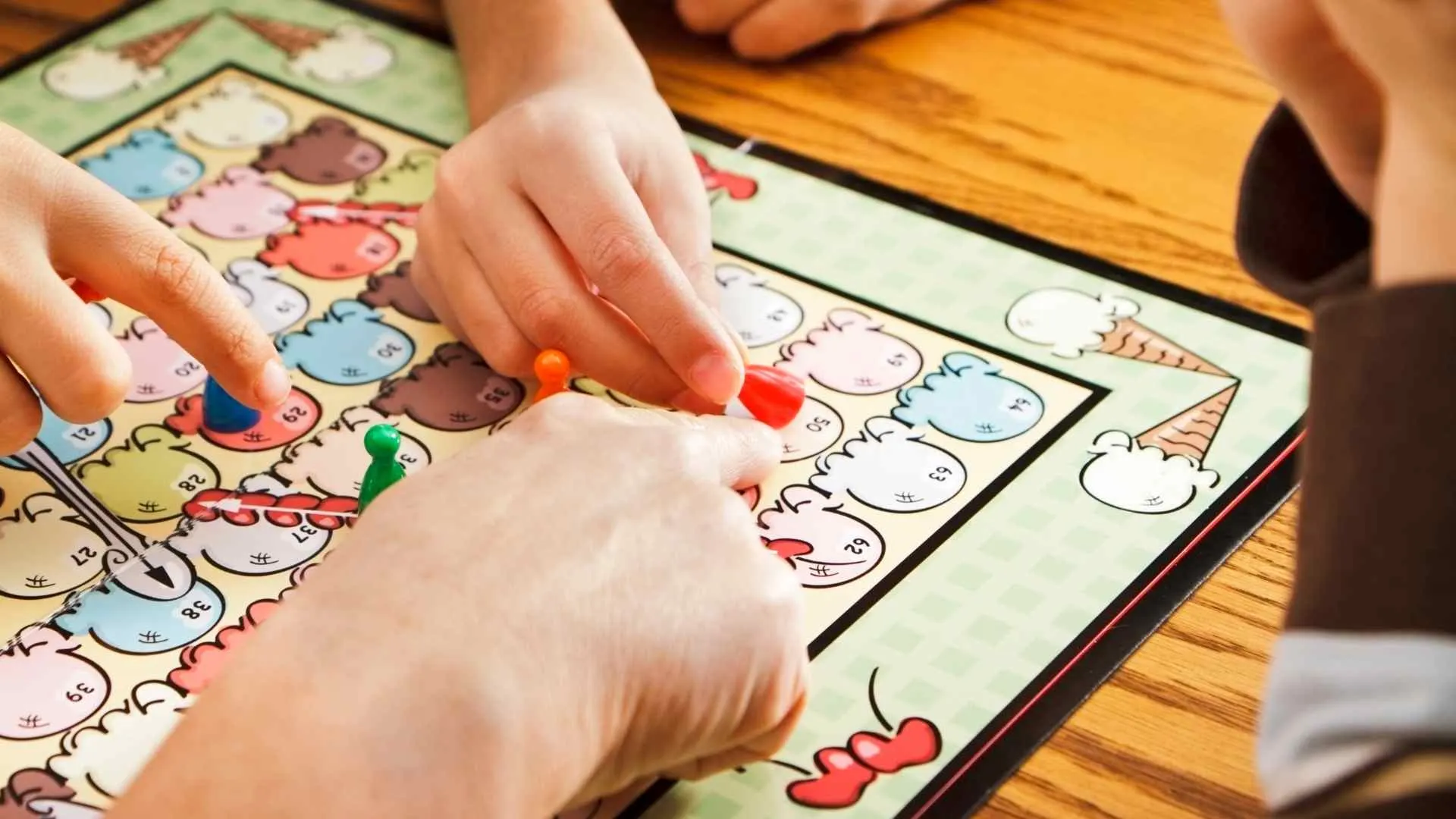
Board and card games are an easy sell because they still feel like fun rather than an assignment. Ten year olds are ready for games with real strategy, not just luck.
Rotate a few new titles into your game shelf every couple of months so nothing gets stale. A 20 minute game after dinner a few nights a week adds up to real connection time.
Check out our list of board games for 10 year olds if your current stack is getting dusty.
Solo Hobbies for Independent Kids
Not every activity needs a partner, and that is a good thing. Ten year olds are old enough to sit with a solo hobby and actually get better at it over time.
- Journaling or keeping a nature notebook
- Learning calligraphy or hand lettering
- Starting a small collection, like rocks, stamps, or coins
- Practicing photography with a basic point and shoot camera
These quiet hobbies matter just as much as the active ones. They teach a kid how to be alone with their own thoughts without reaching for a device to fill the silence.

Rainy Day and Indoor Options
Bad weather does not have to mean a screen day by default. Keep a specific rainy day bin of supplies for exactly these afternoons.
- Build an indoor fort out of couch cushions and blankets
- Try improv games or charades as a family
- Set up an indoor obstacle course using painter’s tape
- Start a puzzle on the coffee table that stays out for a week
Puzzles in particular are underrated for this age. They give kids something to return to in short bursts, which is a nice contrast to the all or nothing pull of a screen.
Active Games and Sports to Try
Physical play matters even more once kids hit double digits, since school days get more sedentary. Trampoline games, pool games, and backyard sports are an easy way to hit that daily activity mark without it feeling like a chore.
If your child has not settled into a sport yet, 10 is a great age to sample a few different options. Trying something new every season keeps it feeling like play instead of pressure.
Even 15 minutes of jump rope or a driveway game of horse counts. The goal is movement they enjoy, not a formal practice schedule.
Keep a jump rope, a ball, or a frisbee somewhere your kid trips over it daily, like by the back door. Visible gear gets used far more often than gear tucked away in a closet.
Creative Writing and Storytelling
Ten year olds often have wild imaginations and are just old enough to get a full story onto paper. Give them a notebook and a few prompts instead of a blank page, which can feel intimidating.
Comic books are a great entry point for reluctant writers, since the drawing carries part of the story. A kid who insists they hate writing will often happily fill pages of a comic instead.
Keep a shoebox of story starters on hand, like a photo, a random object, or one strange sentence. Kids this age love inventing the reasoning behind a weird prompt.
Volunteering and Giving Back
Ten is a great age to start building empathy through action instead of just conversation. Kids this age can genuinely contribute, not just tag along.
- Pack care kits for a local shelter
- Help sort donations at a food pantry
- Write letters to residents at a senior living center
- Do a neighborhood cleanup with a trash bag and gloves
Our guide to ways for kids to volunteer has age appropriate options broken down by time commitment. Even an hour once a month builds a habit that sticks.
Setting Up a Screen-Free Routine That Actually Sticks
The activities matter less than the rhythm you build around them. Pick one or two predictable screen-free windows, like right after school or the hour before dinner, and protect them consistently.
The American Academy of Pediatrics recommends building a family media plan that carves out specific time for other activities rather than treating screens as the default choice.
Keep a visible list of go to activities on the fridge for the moments you cannot think of anything. It saves you from negotiating from scratch every single time.
Involve your 10 year old in building that list, since kids buy in more when they helped choose the options. It also cuts down on the “there’s nothing to do” complaint later.
If you are just getting started, our screen-free parenting beginner’s guide walks through how to ease in without turning it into a fight.
Handling the “I’m Bored” Pushback
Boredom is not an emergency, even though it can feel like one in the moment. A little boredom is often the exact thing that pushes a kid toward a creative idea of their own, according to child development experts at the Children and Nature Network.
Resist the urge to solve it immediately. Give it a minute or two before jumping in with suggestions, since kids often talk themselves into an idea if you just wait it out.
When they truly need a nudge, keep this list nearby and let them pick two options themselves. Ownership over the choice makes a huge difference in whether they actually follow through.
Our post on what to do when your kid says “I’m bored” has a full script for these exact moments.

Frequently Asked Questions
Quick answers to the questions parents ask most about screen-free time for this age group.
How much screen time should a 10 year old have? Pediatric guidance favors consistent, family agreed limits that leave plenty of room for sleep, physical activity, and offline hobbies, rather than a single fixed number of hours.
What is a good screen-free activity for a bored 10 year old? A quick outdoor mission, like a backyard scavenger hunt or a short bike ride, works well because it gives them a clear, achievable task.
How do I get my 10 year old to actually want screen-free activities? Offer two or three specific choices instead of an open ended “go play,” since kids this age respond better to options than to vague instructions.
Is unstructured play still important at age 10? Yes, unstructured play continues to build creativity, problem solving, and independence well past the toddler years.
What if my kid says every offline activity is boring? Stick with a short list of go to options and rotate in something new every few weeks, since novelty often revives interest faster than forcing a favorite.