
Your kid can name every dinosaur but can’t tell a robin from a sparrow. That is not a failure, just an untapped skill.
Birdwatching costs nothing, needs no charger, and turns any backyard into an adventure this weekend.
Why Birdwatching Is a Screen-Free Win for Kids
Birdwatching gives kids something rare these days, which is a reason to sit still and pay attention on purpose. It is quiet, it is free, and it works in a backyard, a parking lot, or a hiking trail.
The CDC recommends kids ages 6 to 17 get at least 60 minutes of activity a day, and a birdwatching walk quietly checks that box without anyone announcing it is exercise. It also builds patience, which is a skill no app can teach.
Groups like the Children and Nature Network point out that time outside is linked to kids who are healthier, happier, and calmer overall. Birdwatching is one of the easiest ways to get that time in without a big production.
It also happens to be one of the few hobbies that gets more interesting the more you already know, instead of less. Every walk turns into a small treasure hunt, even in a spot you have passed a hundred times.
What Age Should Kids Start Birdwatching?
There is no minimum age here, which is part of the appeal. A toddler can point and shout “bird” with total joy, and that counts as birdwatching too.
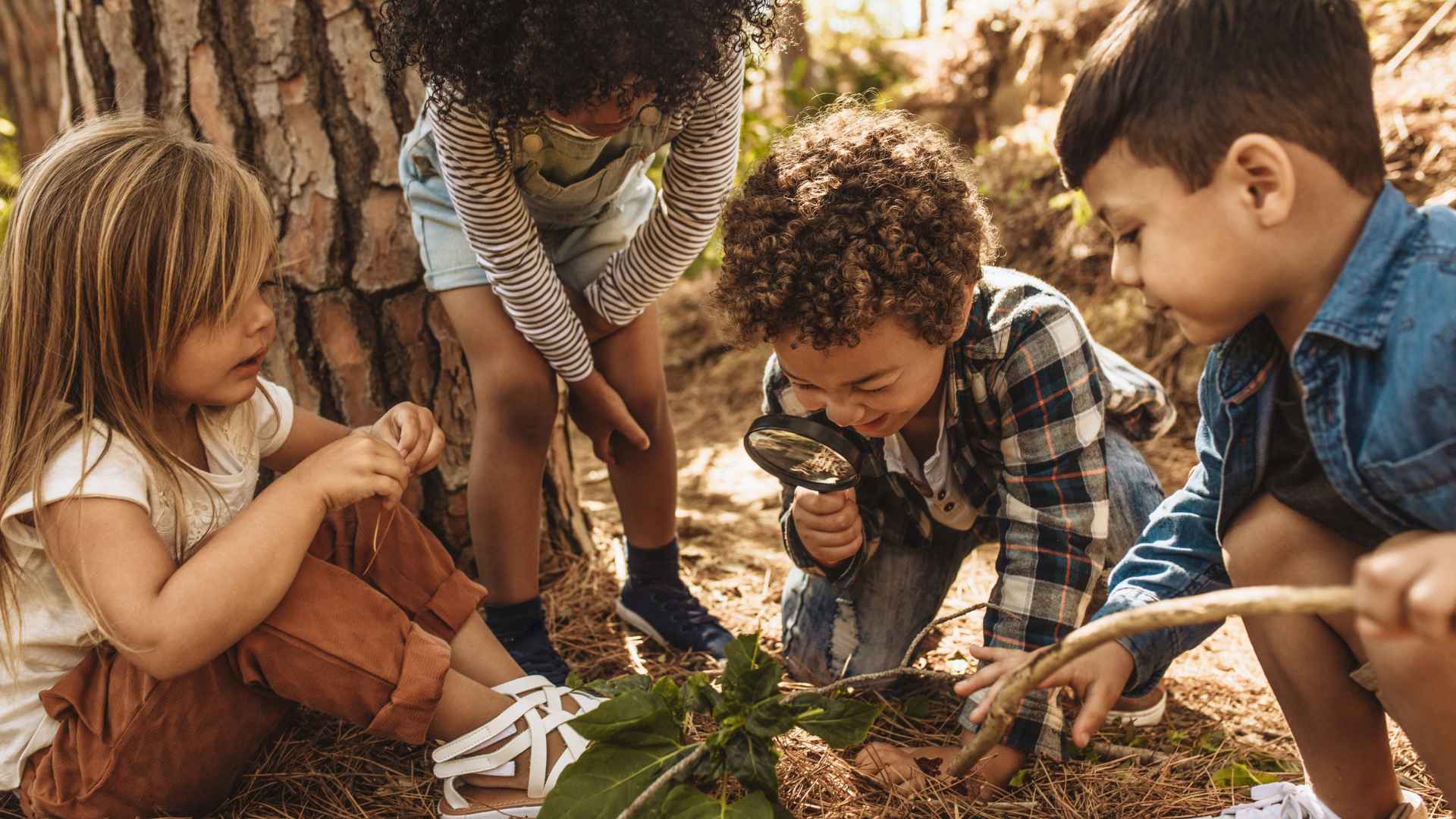
Around age 4 or 5, kids can start noticing colors and simple shapes, like “the red one” or “the big one.” By age 7 or 8, most kids can handle real binoculars and a basic field guide with your help.
Teens tend to enjoy the tech side more, using apps to identify calls or log sightings. Meet your kid where they are instead of forcing a system built for adults.
What matters far more than age is temperament. A patient 6 year old can outlast a fidgety 10 year old on a quiet walk, so let your kid’s personality set the pace, not a chart.
Gear You Actually Need (Spoiler: Not Much)
You do not need a $300 spotting scope to start. A notebook, a pencil, and a window are genuinely enough for week one.
As interest grows, a cheap pair of kid binoculars and a laminated backyard bird chart make a nice upgrade. Skip anything that requires batteries or a subscription for now.
If your family already collects things, this pairs naturally with an existing habit. Our guide to things kids love to collect has ideas for turning bird sightings into a proper hobby.
Choosing Your First Pair of Kids’ Binoculars
Look for binoculars labeled 6×21 or 8×21, since higher zoom numbers get shaky in small hands. Wide focus wheels and rubber grips matter more than brand names at this age.
A neck strap is not optional. It is the difference between binoculars that survive the year and ones that end up lost in the yard by Tuesday.
Let your kid practice on something big and still first, like a tree across the yard. Moving straight to a fast, tiny bird is a recipe for frustration.
Expect some fumbling with focus wheels at first, and resist the urge to fix it for them every time. Fine motor practice like this is part of the payoff, not a detour from it.
How to Use a Bird Field Guide or App With Kids
A simple regional field guide beats a giant national one for beginners, since fewer pages mean less overwhelm. Look for one organized by color or size, not just alphabetically by species name.
If you go digital, choose an app built for identification rather than social sharing. Let your child hold the device and drive the search themselves, so it feels like their discovery.
Either way, resist the urge to identify every bird perfectly on day one. “A little brown bird with a orange belly” is a perfectly good start.
Setting Up Your Backyard as a Bird Magnet
A single feeder, a shallow dish of water, and one native shrub can turn a boring yard into a bird hotspot. The National Wildlife Federation has long encouraged families to build these small habitats together.
Keep feeders near a window so your kid can watch from the couch on rainy days. Clean the feeder every couple of weeks to keep birds healthy and coming back.
If your family already gardens, this is an easy add-on. Check out our tips on gardening essentials for kids for plants that double as bird food.
The Best Times of Day to Go Birdwatching
Birds are most active in the first two hours after sunrise, then again in the last hour before sunset. Midday tends to be quieter, so do not judge the hobby on a noon walk.
You do not need to wake anyone at dawn to make this work. Even a 15 minute window right after breakfast is enough to spot regular visitors.
A Simple First Birdwatching Walk, Step by Step
Pick a short, familiar route, like your own street or a nearby park loop. Fifteen to twenty minutes is plenty for a first outing, especially with younger kids.
Walk slowly and pause often instead of aiming for distance. Whisper voices help more than you would think, since sudden noise sends birds flying before anyone gets a good look.
Bring the notebook, jot down one or two birds you saw, and call it a win. The goal is a habit, not a checklist.
Common Backyard Birds to Spot First
Robins, cardinals, blue jays, and mourning doves show up in most yards across the country and are easy to describe by color alone. Sparrows and finches are trickier since several species look similar, so save those for later.
Woodpeckers are a great “aha” bird for kids because the sound comes before the sighting. Teaching your child to listen first and look second is one of the best habits you can build early.
Ducks and geese near a local pond are another easy win, since they are large, slow moving, and often unbothered by an audience. A short trip to any pond can feel like a guaranteed success for a beginner.
Turning Birdwatching Into a Nature Journal Habit
A cheap notebook turns casual sightings into a real project kids can look back on. Have them draw the bird, write the date, and note where they saw it.
Younger kids can dictate while you write, or just draw a shape and a color. If your family already loves this kind of record keeping, our post on journal prompts for kids has more ways to keep the habit going.
Citizen Science Projects Kids Can Join
Some birdwatching walks turn into real science when families log what they see for research projects. Community bird counts happen in many areas throughout the year and welcome total beginners.
These projects show kids that their observations matter beyond the backyard. It is a small but real way to feel like part of something bigger.
Ask your school or local library if they know of any upcoming bird counts nearby, since many are aimed squarely at families and beginners. You do not need to identify every species correctly for the count to be worthwhile.
Keeping Younger Kids (And Wiggly Ones) Engaged
Turn it into a scavenger hunt instead of a quiet observation exercise. “Find a bird that is red” works better for a 5 year old than “identify this warbler.”
Bring a snack, keep outings short, and end before boredom sets in rather than pushing for one more sighting. If birdwatching is one part of a bigger outdoor rotation, pair it with our list of things to do outside so no single activity has to carry the whole afternoon.
Kids who need to move more than they sit still often do better mixing birdwatching with a game, like counting how many different birds they can spot on one lap around the yard. Turning it into a friendly challenge keeps wiggly kids from losing steam halfway through.
Bird Safety and Respecting Wildlife
Teach kids to observe from a distance rather than approaching nests or chasing birds for a closer look. Getting too close can stress birds and, in some cases, cause them to abandon a nest.
The same “look, don’t touch” rule applies to eggs, feathers found on the ground, and baby birds that appear to be alone. Most of the time a parent bird is nearby and it is best to leave the area.
The National Park Service has helpful guidance on birds and birding in parks that is worth reading before a bigger family trip. It is a good reminder that wildlife watching is about patience, not proximity.
Making It a Regular Family Rhythm
A weekly “bird breakfast” by the window, or a Saturday morning walk, works better than a one time outing. Kids build interest through repetition, not a single perfect day.
If screens have been the default fallback in your house, this is a gentle way to offer something else. Our screen free parenting guide has more low pressure swaps like this one.
Let the habit stay small and flexible. Five consistent minutes beats one ambitious hour that never happens again.
When Interest Fades (And How to Bring It Back)
Most kids will drift away from any hobby for a while, and birdwatching is no exception. Do not force it back into rotation, just leave the binoculars somewhere visible and let curiosity do the work.
A new location, like a lake, beach, or different park, can reset interest fast. Novelty does a lot of the heavy lifting here, so do not be afraid to change the scenery.
Some kids also reconnect through a side door, like drawing birds instead of spotting them, or building a simple feeder from scratch. The goal was never a perfect birder, just more time looking up instead of down at a screen.

Frequently Asked Questions
What is the best age to start birdwatching with kids? Most kids can meaningfully engage with birdwatching by age 4 or 5, though toddlers can enjoy simply pointing and spotting.
Do I need expensive binoculars to start? No, a notebook and your own eyes are enough to begin, and inexpensive kid binoculars work fine once interest grows.
How long should a first birdwatching walk be? Fifteen to twenty minutes is plenty for a first outing, especially with younger or easily bored kids.
What time of day is best for spotting birds? Early morning within a couple hours of sunrise tends to be the most active time for backyard birds.
Is birdwatching actually good for kids, or just a nice idea? Yes, it combines physical activity, patience building, and nature exposure that groups like the Children and Nature Network link to calmer, healthier kids.