
Kids who get bored fast do not necessarily need more toys. They often need toys with more possibilities. I look for things that can become ten different games, change with the child’s age, and still be useful when the original “new toy” excitement wears off.
What Makes a Toy Open Ended
An open-ended toy does not tell the child exactly what the finished play should look like. Blocks can become a castle, road, zoo, store, robot, bridge, or something the adult cannot identify but is apparently essential.
I also look for low setup, easy cleanup, enough durability for repeat use, and compatibility with things already owned. A toy that needs a new expansion pack every month is not my favorite definition of open ended.

1. Classic Building Blocks
Wooden blocks, large toddler blocks, magnetic building pieces designed for the child’s age, and other simple construction toys can support years of play. The important part is having enough pieces to build something meaningful without overwhelming the room.
For homes with babies or toddlers, check piece size carefully and keep small-part sets separate.
2. Cardboard Boxes
This is the deeply unhelpful answer if you wanted a shopping list, but cardboard is one of the most open-ended play materials in existence. A box can become a car, store, puppet theater, spaceship, animal house, desk, fort, or target.
Adults handle cutting, staples, sharp edges, and packaging hazards before play begins.
3. Dress-Up Basics
Instead of buying only character costumes, use safe hats, scarves, vests, aprons, capes designed for children, reusable bags, and role-play accessories. Generic pieces can support more stories than a single licensed outfit.
Avoid long cords, choking-size accessories, and clothing that interferes with safe movement.
4. Play Silks or Large Fabric Squares
For children old enough to use them safely, large lightweight fabrics can become picnic blankets, rivers, capes, baby blankets, roofs, costumes, or landscape pieces. Supervise younger children because fabric can create entanglement or suffocation risks when used improperly.

5. Toy Animals
A small collection of sturdy age-appropriate animals can become a zoo, farm, vet clinic, rescue center, story cast, sorting set, or building-world population. Animals mix beautifully with blocks and cardboard.
6. Dolls and Stuffed Animals
Dolls and stuffed toys support caregiving play, schools, hospitals, restaurants, travel, bedtime routines, parties, and elaborate social dramas. Kids do not need a huge cast.
Choose toys appropriate to the child’s age and sleep environment, especially for very young children.
7. Simple Vehicles
Cars, trucks, trains, boats, and construction vehicles can work with tape roads, cardboard cities, blocks, dirt, ramps, and pretend stores. I prefer sturdy basics over vehicles where the main feature is pressing a button.
8. A Basic Art Shelf
Paper, crayons, washable markers, tape, child-safe scissors when developmentally appropriate, glue, stickers, and cardboard create thousands of projects. The best art shelf is accessible enough that kids can start without asking for a full setup.
Keep messy or risky supplies adult-managed as needed.
9. Play Dough
Age-appropriate play dough can become food, animals, letters, landscapes, pretend shops, sculpture, and simple construction. A rolling pin and a few broad tools are usually enough.
Skip tiny accessory kits around younger siblings.
10. A Standard Deck of Cards
Cards are not a toy in the traditional sense, but they are wildly open ended. Matching, sorting, building card houses, Go Fish, War, Crazy Eights, Rummy, Solitaire, memory games, math games, and invented rules all fit in one deck.
11. Dice
Standard dice can drive movement games, math games, drawing challenges, storytelling, scoring systems, and homemade board games. Use dice only with children mature enough to handle small pieces safely.
12. Balls
A few balls in different sizes can cover throwing, kicking, rolling, bowling, target games, wall practice, catch, obstacle courses, and made-up backyard sports. You do not need a garage full of specialized equipment.
13. Sidewalk Chalk
Chalk can create roads, obstacle courses, giant art, scoreboards, target games, hopscotch, maps, mazes, and pretend towns. Use it only on approved surfaces and keep kids away from vehicle traffic.
14. Wooden or Plastic Loose Parts
For older children who can safely handle the pieces, large wooden discs, rings, cups, stones designed for play, or similar materials can support sorting, building, pretend food, patterns, and games. Avoid small loose parts around children who mouth objects.

15. Play Kitchen Basics
A few pots, bowls, spoons, cups, and play foods are more flexible than a kitchen full of battery-powered appliances. They can become restaurant, bakery, family dinner, grocery store, camping, tea party, or science lab.
16. A Toy Tool Set
Age-appropriate pretend tools can become repair shop, construction site, vehicle maintenance, house building, and role-play projects. Older kids eventually benefit from learning real tools under adult supervision too.
17. Puppets
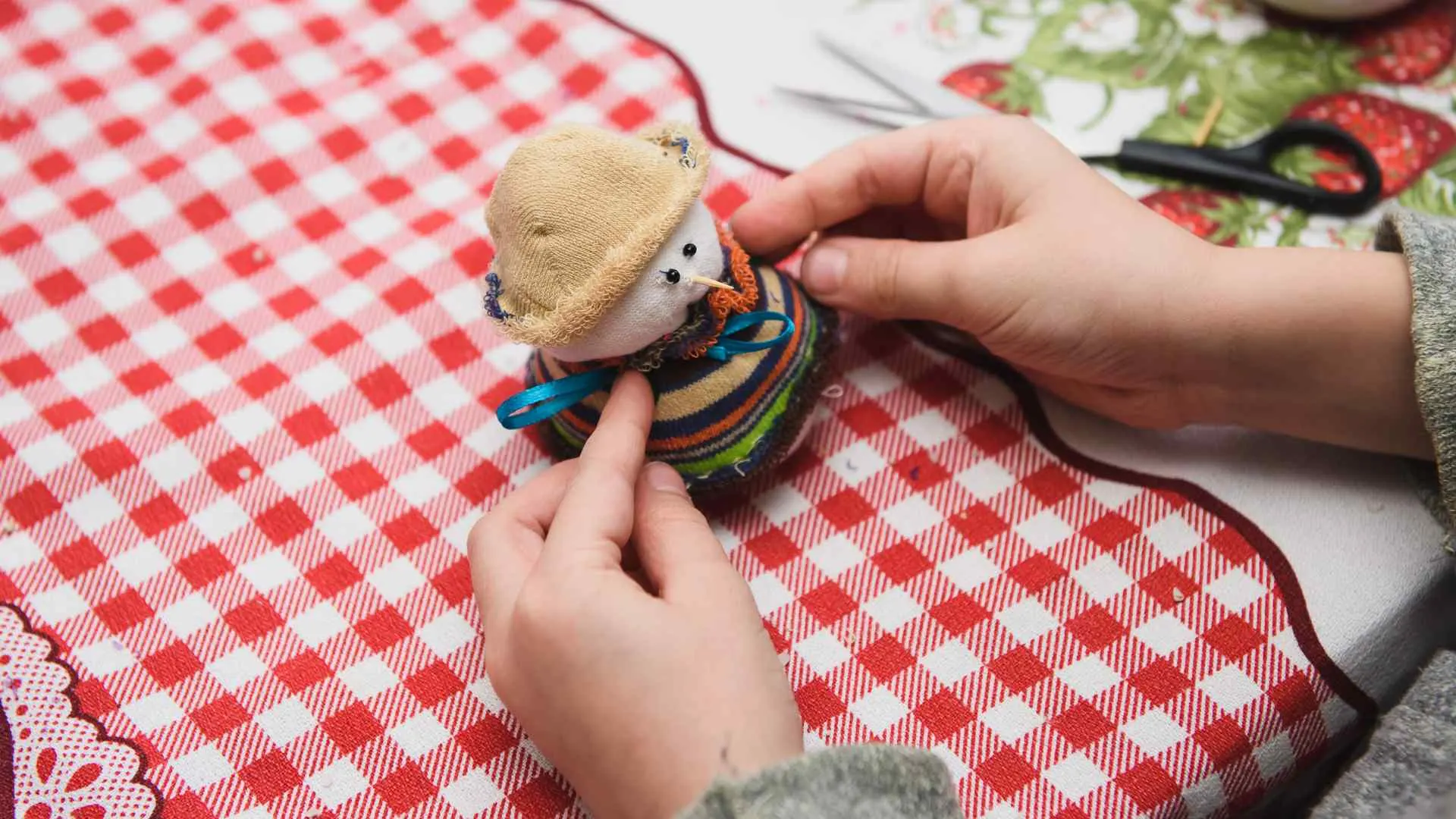
A few hand puppets, sock puppets made safely, or paper-bag puppets can support stories, jokes, conflicts, songs, and shows. Kids can also make their own characters instead of buying a large set.
18. Train Tracks or Road Pieces
Reusable track or road systems encourage planning and rebuilding when they are not locked into one layout. Mix them with blocks, animals, and cardboard buildings.
19. Magnet Boards or Reusable Shape Pieces
Large magnetic shapes designed for children can support pictures, patterns, sorting, letters, maps, and storytelling. Magnets can be dangerous if swallowed, so products should be age appropriate and damaged pieces removed immediately.
20. Blank Notebooks
A notebook can become a comic, diary, recipe book, field guide, travel journal, sketchbook, game scorebook, map book, or secret club manual. Blank paper is more open ended than almost any themed activity pad.
21. Puzzles That Can Stay Out
A puzzle itself has one answer, so it is not technically open ended, but a dedicated puzzle table creates flexible quiet time kids can enter and leave. I include it because children who “get bored fast” sometimes simply need an ongoing project.
22. Pretend Money and Paper Tickets
Use large paper money for younger children or real cash practice for older kids under supervision. Store, restaurant, theater, fair, travel, and budgeting games all benefit from an exchange system.
23. Blank Cards and Envelopes
Kids can create mail, invitations, treasure clues, shop signs, menus, thank-you notes, tickets, or family games. A stack of index cards is one of my favorite cheap boredom supplies.
24. Outdoor Buckets and Scoops
Buckets work with sand, water under direct adult supervision, leaves, snow, gardening, pretend construction, collecting approved objects, and outdoor carrying jobs.
25. One Excellent Family Game Shelf
Technically individual board games are closed-rule activities, but a small library of varied games creates dependable social play. Choose strategy, cards, cooperative games, and quick family games rather than buying five versions of the same experience.
Why Kids Get Bored With Too Many Toys
When everything is visible at once, choosing can become harder. I like rotating some toys out of sight and leaving a smaller set of flexible materials accessible.
The goal is not minimalism for its own sake. It is making the good stuff easier to notice.
Build “Play Combos” Instead of Buying More
Put blocks with animals, cardboard with cars, dolls with a blanket fort, or art supplies beside a pretend store. Combining familiar materials often creates more novelty than adding another toy.
What I Avoid for Kids Who Bore Easily
I am cautious with toys that do one trick, require a screen or app to function, contain so many instructions the child cannot improvise, or need adult help every time they are used. Those can be fun, but they are not my first choice for independent repeat play.
Open-Ended Toys by Age
Toddlers: Large blocks, nesting cups, sturdy books, simple vehicles, stuffed animals, large pretend-play pieces, and washable art materials.
Preschoolers: Blocks, dress-up, dolls, animals, play dough, cardboard, art supplies, toy kitchen basics, chalk, and simple vehicles.
Elementary kids: Building systems, art supplies, cards, dice, sports equipment, notebooks, craft materials, cardboard engineering, and pretend-world accessories.
Tweens and teens: Hobby tools, art supplies, cards, strategy games, sports gear, sewing or fiber crafts, models, notebooks, practical tools with instruction, and project materials feel more age appropriate than “toys.”
Frequently Asked Questions
What are the best toys for kids who get bored quickly? Blocks, art supplies, pretend-play basics, cards, balls, cardboard, play dough, notebooks, loose building materials, and hobby supplies provide many different uses.
What does open-ended toy mean? It means the child can use the material in many ways without one required finished outcome or scripted sequence.
Do open-ended toys need to be expensive? No. Cardboard, paper, tape, chalk, cards, fabric, balls, and ordinary art supplies can be some of the most flexible play materials.
How many open-ended toys should kids have? There is no ideal number; a smaller accessible set of varied materials often works better than a huge amount of overlapping toys.
The Bottom Line
Kids who bore easily often benefit from toys that leave more decisions to them. Choose materials that can change roles, combine with other things, and survive repeated reinvention.
If a box, deck of cards, and pile of blocks outlast the flashy toy with six buttons, that is not a failure of shopping. It is useful information.