
Gratitude activities get awkward when adults ask kids to perform heartfelt appreciation on command while everyone watches. I prefer short, specific prompts, private options, practical acts, and traditions that let gratitude show up without turning Thanksgiving into an emotional presentation.
Keep Gratitude Specific and Low Pressure
“What are you thankful for?” can be a huge question for a tired child. “Who helped you this week?” or “What food are you happy exists?” is easier to answer honestly.
I would never rank answers or correct a kid who says “my dog,” “Minecraft,” or “pie.” Gratitude practice works better when adults are curious rather than grading sincerity.
1. One-Sentence Gratitude Cards
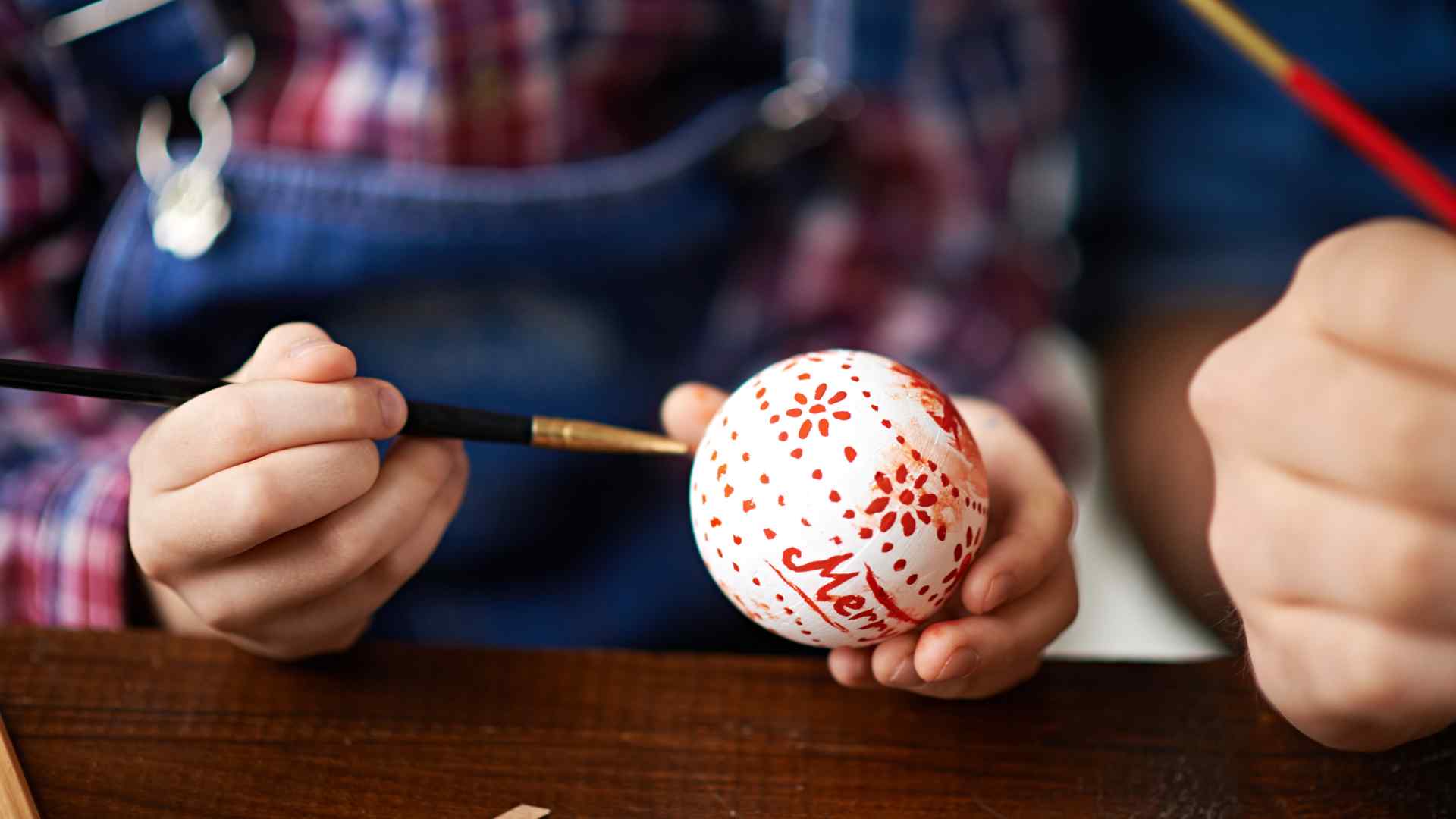
Give everyone one small card and the prompt “Today I am glad for…” Kids can write one sentence, draw, or dictate.
Cards can be private, shared voluntarily, or tucked into a family box.
2. Thank-You Text Without the Phone
Write a short paper note to someone who helped, taught, cooked, drove, listened, or made the year easier. The note can later be mailed or handed over.
A real recipient often makes gratitude feel more natural than an abstract list.
3. Gratitude Tree
Place a safe branch in a stable container and add paper leaves with one specific appreciation on each. Younger kids can draw pictures.
Use paper leaves instead of relying on real leaves if outdoor collecting is restricted or messy.
4. “Best Tiny Thing” Round
Ask each person for one tiny good thing from the day or week: warm socks, a funny dog, a good snack, a friend saving a seat. Small details keep the activity grounded.
5. Gratitude Photo Album Without Taking New Photos
Look through printed family pictures and choose three that represent something or someone you appreciate. Tell the story behind each picture.
This works especially well with grandparents and cousins.
6. Helpful Hands List
Trace a hand on paper and write one person or helpful act on each finger. Preschoolers can dictate and decorate.
Keep names optional if the child wants the page private.
7. Gratitude Scavenger Hunt
Find something warm, something that helps your family, something made by someone else, something that makes you laugh, and something you use every day. The object becomes the prompt.
8. “Who Made This Possible?” Game
Choose an ordinary item such as bread, a book, table, or sweater and brainstorm people involved in making, transporting, selling, or caring for it. Keep guesses humble when you do not know the exact production chain.
9. Thank a Family Helper
Kids can choose one person doing visible holiday work and offer a real act of help: set napkins, carry safe dishes, entertain a younger cousin for a short agreed period, or clean one area.
Gratitude becomes action instead of a speech.

10. Gratitude Jar
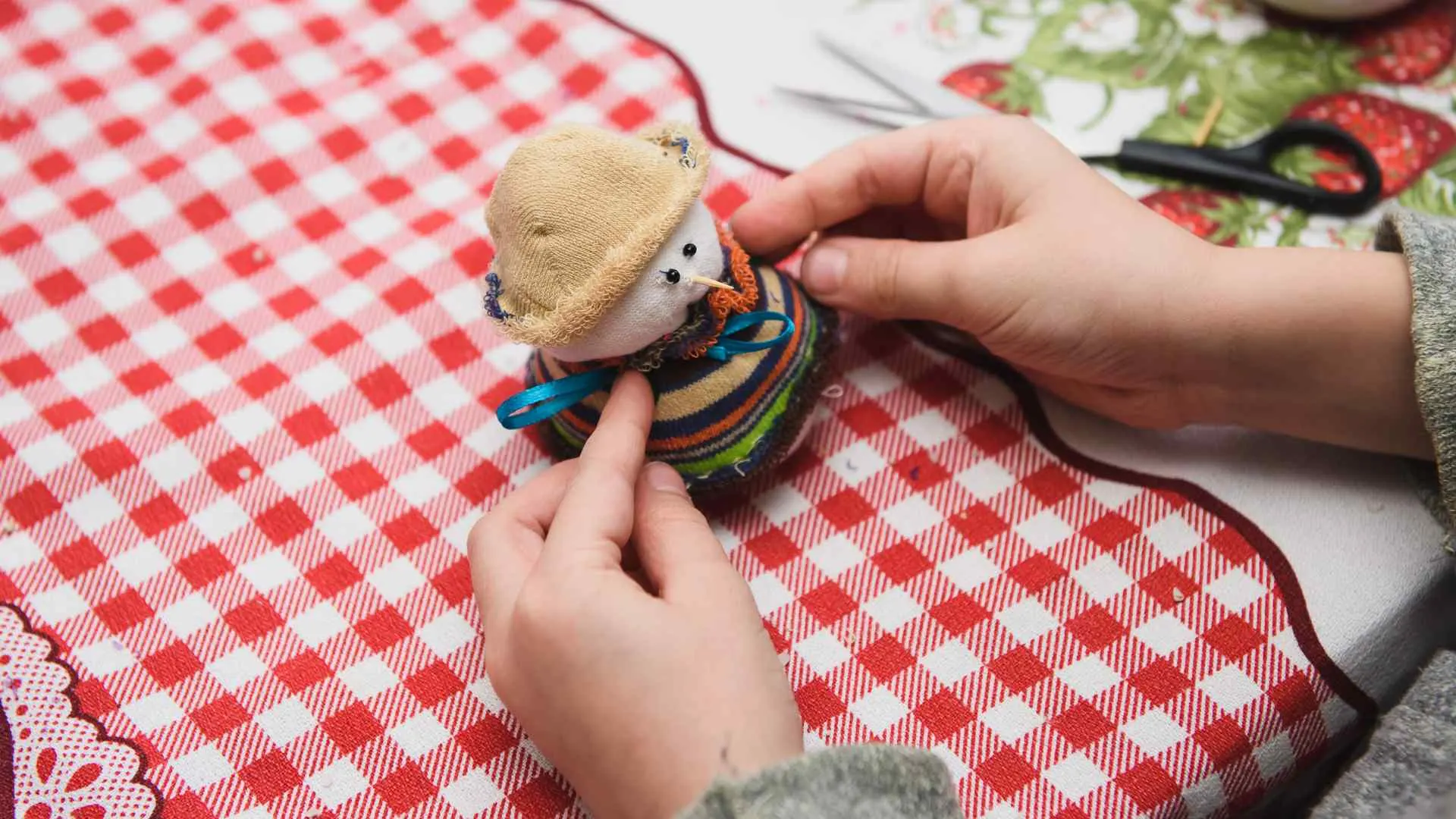
Keep slips of paper and a jar available for the week. Family members add notes whenever something occurs to them and read selected notes on Thanksgiving if everyone is comfortable.
11. “Something I Learned” Cards
Ask kids to name one thing another person taught them this year. It can be tying shoes, a joke, a recipe, a game, or a school skill.
12. Appreciation Place Cards
Kids make simple place cards and add one neutral kind word, memory, or thank-you for the person sitting there. Adults can help ensure the tone stays inclusive.
13. Gratitude Walk
On a safe family walk, each person quietly notices three things they enjoy about the season or place, then shares one if they want. No phones or collecting required.
14. Five Senses Gratitude
Name one thing you are glad to see, hear, smell, taste, and touch. Skip any sense that is not appropriate or comfortable for a participant.
This keeps gratitude attached to immediate experience.
15. Family Memory Map
Draw a simple map of places that mattered this year: school, grandparents’ house, park, vacation spot, friend’s house, library, or sports field. Kids add one good memory beside each.
16. Gratitude Recipe Card
Write down a family recipe and add the name of the person who taught or usually makes it. Kids can decorate the card or help cook the dish.
17. “Thank You for Doing…” Notes
Make gratitude about actions rather than traits: “Thank you for reading with me,” “Thank you for fixing my bike,” or “Thank you for driving me to practice.” Specific appreciation is easier to understand and receive.
18. Good-Thing Timeline
Draw twelve boxes for the months and add one good memory to as many months as the family remembers. Empty boxes are fine.
The goal is remembering, not proving every month was wonderful.
19. Gratitude Bookmarks
Decorate paper bookmarks with one quote the child likes, one favorite thing, or one person’s name. Give them away or use them at home.
20. Kindness Coupon With a Real Job
Kids can offer a specific helpful action such as dog walk with an adult, table setting, game with a sibling, or folding towels. Keep coupons realistic enough that someone can actually redeem them.
21. “What Would You Miss?” Prompt
Choose an ordinary household thing and ask what daily life would be like without it. Keep this focused on appreciation, not frightening kids with loss scenarios involving people.
22. Thank-You Chain
Make paper loops, each containing one person, place, object, or experience someone appreciates. Add one loop each day leading up to Thanksgiving.
23. Family Appreciation Interview
Kids ask a grandparent or relative: Who helped you when you were my age? What was your favorite family tradition? What ordinary thing are you glad exists now?
24. Gratitude Drawing Swap
Each person draws something they appreciate, then another family member guesses what it represents. The artist explains only if they want.
25. End With One Useful Action
After the family activity, choose one concrete action: write a note, call a relative, clean the kitchen, donate an approved item, help a neighbor, or thank the host. Action prevents gratitude from becoming purely ceremonial.
Do Not Force Public Sharing
Children should be allowed to pass, draw privately, or keep a note folded. A large family table can be an uncomfortable place for personal disclosure.
I would model an honest specific answer myself rather than demand one from the child.
Avoid Comparing Gratitude
One child may name family, another may name a toy, and another may be tired and say “nothing right now.” Do not use the activity to decide who is most appreciative.
Activities by Age
Preschoolers: Drawings, gratitude leaves, five-senses prompts, helpful-hand pages, scavenger hunts, and simple thank-you actions.
Elementary kids: Notes, gratitude jars, place cards, maps, recipe cards, timelines, walks, and family interviews.
Tweens and teens: Private writing, specific thank-you letters, family history interviews, service actions, year timelines, and helping younger kids without performing gratitude publicly.
Frequently Asked Questions
How do you teach gratitude without forcing kids? Use specific prompts, optional private writing, real thank-you actions, and adult modeling instead of mandatory public answers.
What is an easy Thanksgiving gratitude activity? One-sentence cards, a gratitude jar, paper leaves, a short family walk, or thank-you notes can all be set up quickly.
What if my child says they are thankful only for toys? Accept the answer and use other concrete prompts over time; gratitude grows through noticing, not by adults correcting an honest response.
Should everyone read their gratitude note aloud? No, sharing can be optional, especially for shy kids or personal topics.
The Bottom Line
Kids participate in gratitude when it feels real, specific, and safe from judgment. Ask smaller questions, offer private options, and turn appreciation into actual helpful actions.
You do not need a perfect thankful-family moment. One genuine note to someone who mattered is more valuable than a whole table of answers given under pressure.