
Your 8 year old just sighed the sigh of a bored kid stuck between LEGO sets and asking for the tablet.
Good news: this age is primed for real, hands on fun, no screen required.
Why 8 Is the Sweet Spot for Screen-Free Fun
Eight year olds are past the “put everything in their mouth” stage and deep into the “I can actually do this myself” stage. They can follow multi step instructions, use real tools with supervision, and stick with a project for more than five minutes.
That combination makes this age one of the easiest for filling hours without a screen, once you know what to hand them. Below is a list built for real weeknights and rainy Saturdays, not a Pinterest fantasy.
They are also entering the stage where friendships start mattering more than parallel play, which makes shared activities land differently than they did at 5 or 6. A friend over for an afternoon of building or games often works better than any solo screen alternative.

Backyard and Outdoor Adventures
Start outside whenever the weather lets you. Kids who spend regular time outdoors tend to be more physically active, more creative in their play, and better able to concentrate, according to the National Wildlife Federation.
Try a scavenger hunt for five different leaf shapes, a homemade obstacle course built from things already in the garage, or flashlight tag once it gets dark. None of it needs a plan, a budget, or a trip to the store.
If your kid likes creepy crawlies, turn a walk into a real bug hunt with a jar and a magnifying glass. It is messy, it is free, and it will eat up an entire afternoon.
A simple bike ride around the block or a game of catch in the driveway counts too, and it does not have to be elaborate to be worthwhile. The goal is movement and fresh air, not a Pinterest worthy setup.
Building and Making Things
Eight year olds love a project with a visible finish line. Cardboard box forts, marble runs taped to the wall, and popsicle stick bridges all fit that bill perfectly.
If LEGO is already gathering dust, give it a job instead of letting it sit in a bin. A list of specific LEGO builds turns “I’m bored” into an actual afternoon project.
Woodworking with real, kid safe tools is another favorite at this age, since 8 year olds have the coordination to hammer and sand with supervision. Start small, like a birdhouse kit or a simple sanded stepping stool.
Cardboard is an underrated material at this age, since a few boxes and a roll of tape can become a rocket ship, a pretend store, or a robot costume. Let your kid direct the project instead of following a set of instructions.
Kitchen Projects Kids Can Actually Do
By 8, most kids can measure, stir, crack an egg, and use a butter knife without much drama. Let them own one part of dinner, even if it is just tearing lettuce or setting the table with flair.
Baking is an easy win here, since it comes with built in rewards. No fancy recipe required, just a simple batch of muffins or a pizza they get to top themselves.
Homemade trail mix, a build your own sandwich bar, or a batch of no bake energy bites all give kids a sense of ownership over what they eat. Measuring cups double as an easy math lesson nobody has to sit down for.
Games That Don’t Need a Screen
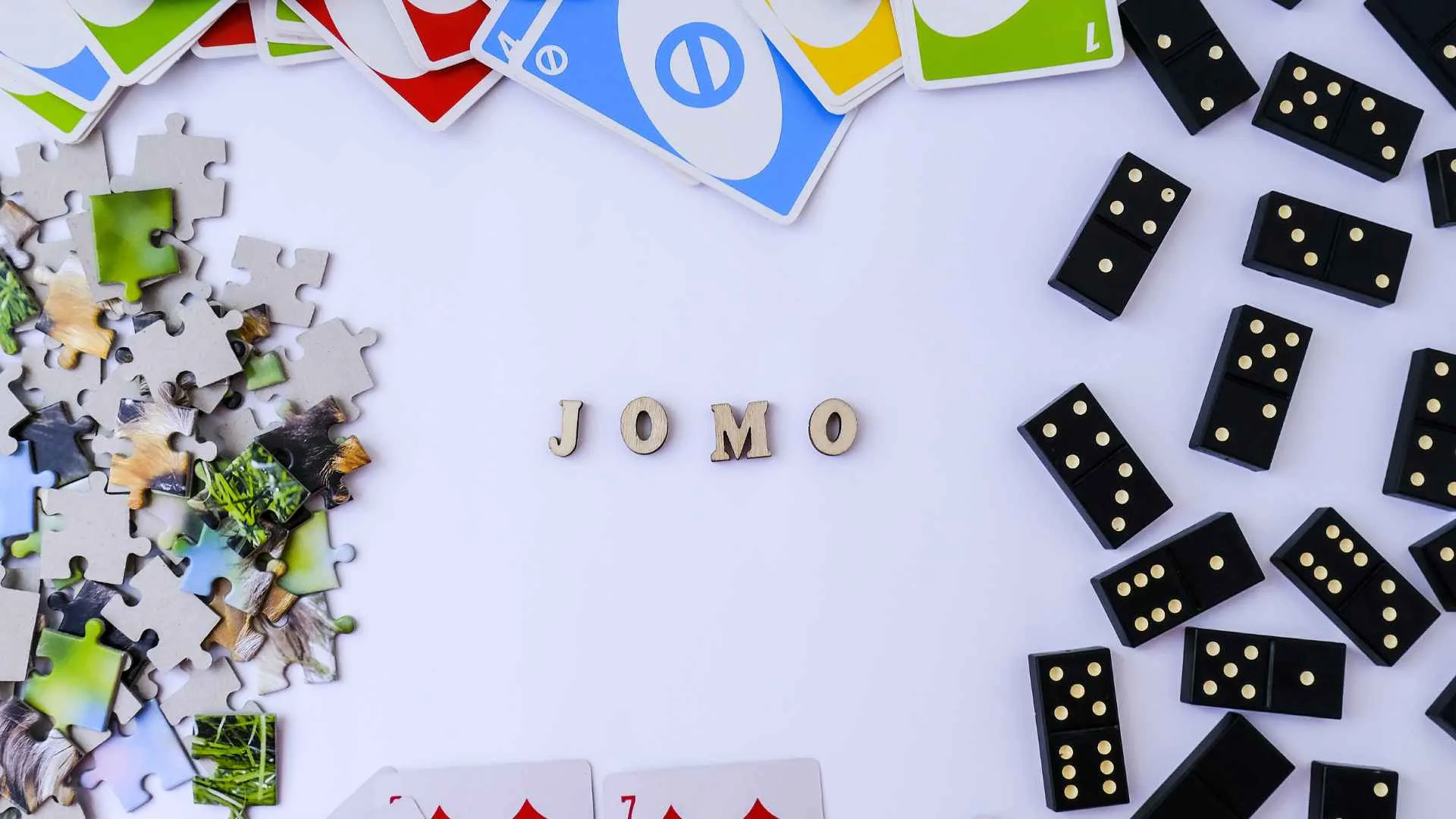
Classic games hold up because they are genuinely fun, not because they are nostalgic. Card games like Uno and Spoons, dice games like Farkle, and word games like Hangman all work well for this age.
Charades and twenty questions are perfect for car rides, waiting rooms, or the ten minutes before dinner is ready. They need zero supplies and scale up or down depending on how many people are playing.
Outdoor versions like four square, hopscotch, or a simple game of tag work just as well when the group gets bigger. Chalk and a sidewalk are really all you need for half of these.
Creative and Artsy Projects
Eight year olds are old enough to have real opinions about their art, which makes this a fun age for creative projects. Comic strip drawing, friendship bracelet making, and simple watercolor painting all fit their attention span and skill level.
Give them a sketchbook that is just theirs, no rules about what goes in it. Ownership matters more than talent at this stage.
Clay or air dry modeling dough gives kids something three dimensional to work with, which is a nice change from paper and markers. A finished piece on the windowsill becomes its own small source of pride.
Science and Nature Exploration
This is the age when “why” questions get genuinely interesting, so lean into it. Simple kitchen science, like a baking soda volcano or a homemade lava lamp, satisfies that curiosity without needing a lab.
Time in nature does something screens cannot replicate. Kids who spend it regularly show lower stress and better attention, per the Child Mind Institute.
A simple nature journal, where they sketch and label what they find on a walk, combines both interests at once. It costs a notebook and a pencil.
A cheap magnifying glass and a bug identification guide can turn a five minute backyard walk into a genuine investigation. Kids this age love collecting and sorting, so let them build a little rock or leaf collection on the side.

Rainy Day Ideas
The hardest days to fill are the ones stuck indoors, so it helps to have a short list ready. An indoor fort built from couch cushions and blankets can occupy an 8 year old for an entire gray afternoon.
A simple obstacle course through the hallway, using pillows, painter’s tape, and a stopwatch, adds a competitive edge. Time each family member and let your kid beat their own record.
A puzzle left out on the kitchen table invites people to wander over and add a few pieces between other tasks. It is a low pressure way to spend twenty minutes without anyone needing to commit to a whole activity.
Solo Play for the “I’m Bored” Moments
Not every activity needs a parent running it, and that is a good thing. Independent play builds a kind of patience and problem solving that constant entertainment does not.
Keep a “boredom box” stocked with a deck of cards, a notebook, some tape, and a few odd craft supplies. When you hear the inevitable complaint, point them toward the box instead of a screen, and check out what to actually do when your kid says they’re bored for more ideas.
Give your kid permission to be bored for a few minutes before you step in with a suggestion. That short stretch of nothing is often where the best ideas actually show up.
Family Game Night Picks
At 8, kids can handle real strategy games, not just games of chance. Titles built for this exact age make a weeknight feel like an event instead of a chore.
For a curated place to start, this list of board games for 8 year olds is sorted by how long each one actually takes to play. Thirty minutes on a school night is plenty.
Rotate who picks the game each week so nobody feels stuck playing the same one over and over. Losing gracefully is its own skill worth practicing, and a family game is a low stakes place to work on it.
What the Research Actually Says About Play
This is not just a “screens bad” argument, it is backed by actual guidelines. The CDC recommends that kids ages 6 to 17 get at least 60 minutes of moderate to vigorous physical activity every day, per its physical activity guidelines.
Most of the activities in this list count toward that number without your kid noticing they are “exercising.” A backyard obstacle course or a game of tag covers a big chunk of that hour by itself.
None of this means every minute needs to be structured or supervised either. Free, unstructured play still counts toward that daily activity total, and it tends to be the kind kids stick with longest.
Simple Ways to Make the Switch Stick
None of this requires banning screens outright or turning it into a fight. Start with one predictable window, like the hour after school or the hour before dinner, and fill it with something from this list.
The American Academy of Pediatrics suggests building specific screen free zones into your routine, like the dinner table, rather than relying on willpower in the moment. If tablet time still turns into a meltdown, these screen time meltdown tips can help smooth that transition.
Keep a short list of go to activities somewhere visible, like taped inside a kitchen cabinet, so you are not brainstorming from scratch every time. Having options ready removes a lot of the friction that leads back to the tablet.
A Few Words on Screen Time, Because You Are Not Failing
If your 8 year old still watches plenty of shows or plays plenty of games, that is not a parenting failure. It just means there is room to add a few more offline options into the rotation, not rip away the ones that already work.
Pick two or three ideas from this list and keep them stocked and ready, the way you would keep snacks on hand. Small, boring consistency beats one big, ambitious craft day every time.
Some weeks will be heavier on screens than others, especially during illness, travel, or a rough stretch at school. That is normal, and it does not undo the progress made on easier days.

Frequently Asked Questions
What are good screen free activities for an 8 year old at home? Building projects, card games, simple baking, and a stocked boredom box all work well for this age indoors.
How much daily physical activity does an 8 year old need? The CDC recommends at least 60 minutes of moderate to vigorous activity every day for kids ages 6 to 17.
What can an 8 year old do outside without any equipment? A scavenger hunt, flashlight tag, or a simple nature walk all require nothing more than a backyard or a park.
How do I get my 8 year old to play independently? A stocked boredom box with cards, paper, and craft supplies gives them a starting point without you having to entertain them.
Is it bad if my 8 year old still wants screen time? No, adding a few offline activities into your routine works better than trying to eliminate screens all at once.