
Seven is a genuinely fun age to parent. Kids this age can follow two step instructions, negotiate rules with their friends, and sit still for longer stretches than they could a year ago.
Here are dozens of screen free ideas that need zero batteries and barely any setup.
What Makes Seven-Year-Olds Tick Right Now
They also crave independence but still want you nearby, which is exactly the sweet spot for screen free play. Give them a task and enough freedom to solve it their own way, and they will surprise you.
Research on childhood movement backs this up. Physical activity at this age supports self esteem, better sleep, and readiness to learn, according to the National Institutes of Health.
None of this means every minute needs to be structured or educational. Plain old play still counts, and it counts a lot.
You also do not need a giant list of gear or a Pinterest worthy setup to make any of this work. A cardboard box, a deck of cards, or an empty afternoon is usually enough.
Think of the ideas below as a menu, not a checklist. Pick whatever fits your week and skip the rest without guilt.


Backyard Adventures That Beat Any Screen
A backyard obstacle course is one of the fastest wins for this age group. Use pool noodles, hula hoops, and a jump rope, and let your seven year old help design the course.
For more ideas sorted by space and setup, this list of things to do outside for kids is worth bookmarking. A scavenger hunt with ten items written on an index card also works well.
Set a timer for twenty minutes and see how many items they can find before it goes off. Bonus points if the list includes something weird, like “a rock shaped like a potato.”
Sidewalk chalk still holds up at this age too, especially for hopscotch or a chalk maze drawn across the driveway. A water table or a sprinkler turns a hot afternoon into an easy hour of entertainment.
Indoor Games for Rainy Afternoons
Rainy days do not have to mean surrendering to the tablet. A round of freeze dance, musical chairs, or “the floor is lava” burns real energy in a small space.
Charades works surprisingly well at seven, especially with movie titles or animals as prompts. For quieter options, a roundup of indoor games organized by energy level can help on the days you need more than three ideas.
A blanket fort is still, and always will be, a legitimate afternoon activity. Add a flashlight and a stack of books and you have covered two sections of this list at once.
Simon Says and Red Light Green Light also work indoors if you clear a little floor space. Neither one needs a single piece of equipment, just a living room and a willing grown up.
Creative Projects That Keep Little Hands Busy
Seven year olds have the fine motor control for real craft projects, not just scribbling. Try friendship bracelets with embroidery floss, or a simple weaving loom made from a cereal box.
Origami is another good fit since the folds are satisfying and the projects are quick. Start with a paper airplane or a simple crane before moving on to anything trickier.
Keep a bin of recycled materials like toilet paper tubes, bottle caps, and cardboard on hand. A “build anything” afternoon with tape and imagination rarely disappoints.
Chalk pastels, watercolor paint, or a simple sketchbook also give kids a low pressure outlet for whatever is in their head that day. There is no wrong way to fill a blank page at this age.
Simple Science You Can Do at Home
This is the age when “why” questions get genuinely interesting to answer. A baking soda and vinegar volcano never gets old, and a homemade lava lamp with oil, water, and an antacid tablet is nearly as satisfying.
For more, this collection of at home science experiments breaks projects down by how much mess they make. Growing crystals from sugar or salt is a slower project that teaches patience over about a week.
A homemade weather station, tracking temperature and clouds on a simple chart each morning, turns science into a daily habit rather than a one time event. Seven year olds tend to love having a “job” like this.
Building and Making Things
Give a seven year old a pile of building blocks and thirty minutes, and something wild will happen. Legos, magnetic tiles, or even a stack of empty boxes all work.
Try a challenge format to raise the stakes a little. “Build the tallest tower that can hold a tennis ball” turns free play into a mini engineering project.
Simple hammer and nail projects, like a wooden birdhouse kit, are also within reach with supervision. Keep the tools kid sized and the expectations low on the first try.
A design your own board game project also fits nicely here, since it blends building with rules and imagination. It can be as simple as a homemade path drawn on poster board with a die and a few paper tokens.
Active Play That Burns Off Big Feelings
Seven year olds still need to move, a lot. The CDC recommends kids this age get at least sixty minutes of physical activity every day, and it does not need to happen all at once.
Jump rope, a game of tag, or an obstacle course in the yard all count. A quick bike ride around the block after dinner is an easy habit to build.
On low energy days, a simple game of catch or “keep the balloon off the floor” still gets bodies moving. It does not have to look like exercise to count as exercise.
A trampoline, even a small backyard one, is another reliable way to burn energy in a short window. Fifteen minutes of jumping can take the edge off a long, restless afternoon.

Board Games Worth Adding to the Shelf
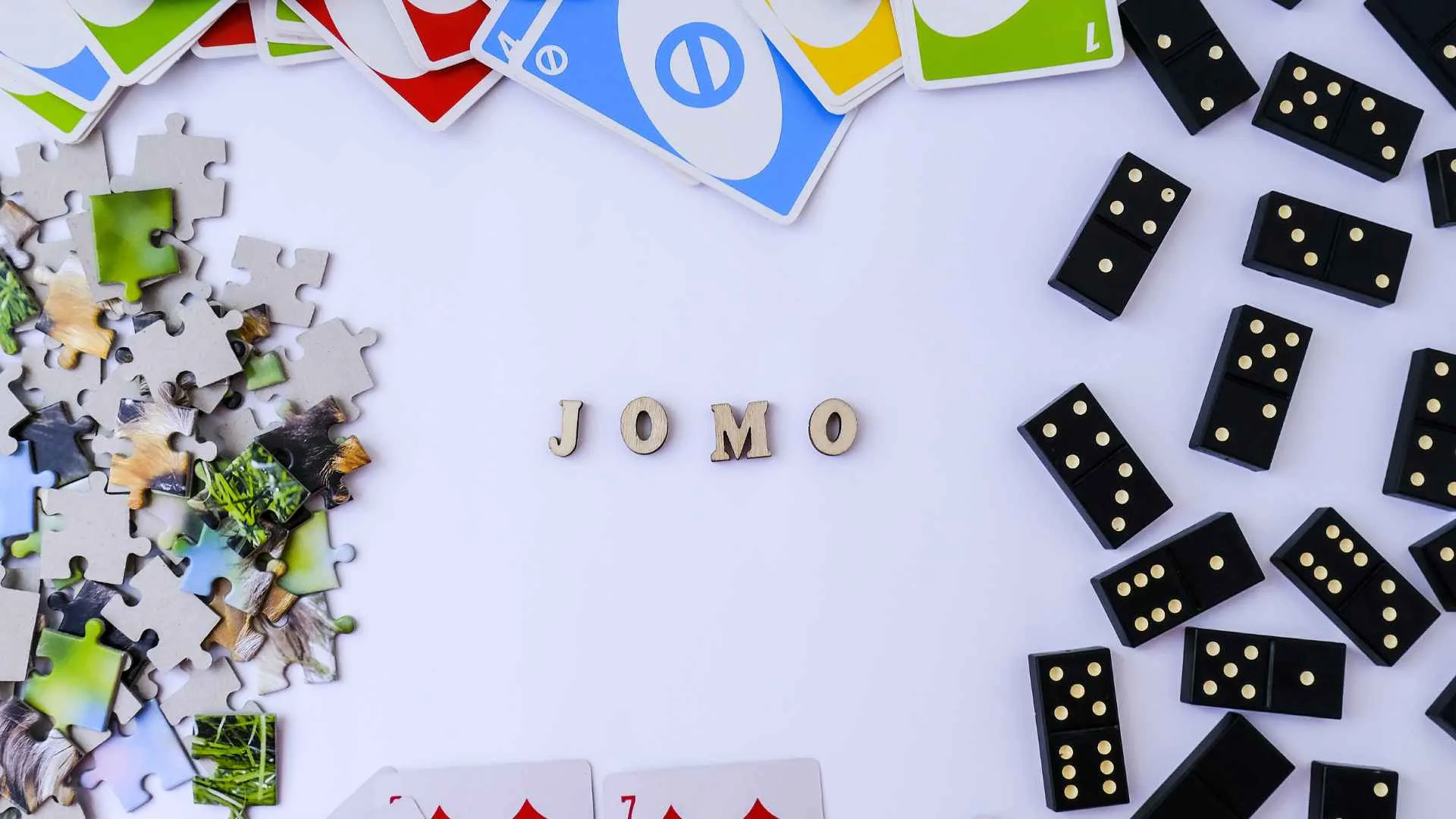
Seven is a great age to introduce games with real strategy, not just luck. This list of board games for seven year olds is a good place to start if your shelf needs an update.
Games that involve a little reading and a little strategy build both skills at once. Expect some big feelings around losing, and use it as low stakes practice for handling disappointment.
Card games like Uno or Go Fish are also worth keeping in a drawer for quick, five minute rounds. They travel well too, which makes them useful for waiting rooms and car rides.
Reading and Storytelling Activities
Seven year olds are often reading chapter books, or right on the edge of it. A nightly reading habit, even just ten minutes, pays off far beyond this age.
Try a “story dice” game where you roll a die and make up what happens next in a shared story. Taking turns adding one sentence at a time keeps everyone engaged, including you.
A homemade picture book, stapled together from folded paper, gives kids a project they can return to over several days. Letting them illustrate their own story tends to hold their attention far longer than a coloring page.
Kitchen Projects Kids Can Help With
The kitchen is an underused screen free activity zone. Measuring, stirring, and pouring are all real skills seven year olds can practice with supervision.
No bake energy balls, homemade pizza with premade dough, or decorating plain cookies are all beginner friendly projects.
Let them make a mess. That is part of the deal.
A simple recipe card with pictures instead of only words helps a seven year old follow along more independently. Even picking the dinner menu once a week gives them a small, satisfying sense of control.
Outdoor Exploration and Nature Play
Kids who spend regular time outside tend to be calmer and more focused, according to the Child Mind Institute. A simple walk to look for bugs or unusual leaves counts as nature time.
The National Wildlife Federation recommends a daily “green hour,” roughly sixty minutes of unstructured outdoor play, for kids’ physical and mental health. That can be a walk, a bike ride, or just digging in the dirt.
A butterfly garden or a small vegetable patch gives kids a reason to check on something outside every day. Even a few pots on a balcony work if you do not have a yard.
A short bug hunt with a magnifying glass and a bucket also fits easily into a regular afternoon. Ants, roly polies, and worms are usually enough to hold attention for a solid twenty minutes.
Quiet Time Activities for Downtime
Not every screen free minute needs to be high energy. A journal with simple prompts, a coloring book, or a puzzle gives seven year olds a calm landing spot after a long day.
Keep a “boredom jar” filled with activity ideas written on popsicle sticks for the moments when nobody can think of anything to do. Let them pick without your help.
A sticker book, a simple friendship bracelet to finish, or even sorting a deck of cards by color can be genuinely calming for a seven year old. These low key options are especially useful right before bed.
Easing the Transition Away From Screens
The handoff moment, when the screen turns off and real life turns back on, is often the hardest part. Giving a five minute warning before screen time ends helps kids mentally prepare for the switch.
If meltdowns are a regular issue at your house, this guide to screen time meltdown tips walks through what actually helps. Having the next activity already set up, rather than just announced, makes the transition smoother too.
When your seven year old announces they are bored five minutes later, that is normal, not a sign anything went wrong. This guide to handling “I’m bored” has scripts for exactly that moment.

Frequently Asked Questions
How much screen free playtime does a 7 year old need each day? Aim for at least an hour of active, unstructured play, which lines up with CDC physical activity guidelines for this age group.
What if my 7 year old says these activities are boring? Let the boredom sit for a few minutes before jumping in, since that gap is often where the best ideas start.
Do I need to buy special supplies for screen free activities? No, most of the ideas above use things you already own, like paper, tape, and whatever is in the recycling bin.
How do I handle meltdowns when I turn off the screen? A short warning before screen time ends, plus a specific next activity ready to go, usually softens the transition.
Are screen free activities different for boys and girls at this age? Not really, seven year olds of any gender benefit from the same mix of active, creative, and quiet play.