
Sunday used to mean cartoons until noon and everyone half awake by lunch. What if it became the day your family actually remembers?
A screen-free Sunday is not a punishment. It is one small, repeatable ritual that gives everyone something better to look forward to.
Why Screen-Free Sundays Actually Work
Screens are not evil, but they are magnetic. Even when a phone is off and face down, it still pulls at attention in the room.
A single dedicated day lowers the daily fight over limits. Nobody has to negotiate a rule everyone already knows.
The American Academy of Pediatrics encourages families to build a media use plan together instead of making rules up in the moment. A weekly ritual like this basically is that plan, minus the paperwork.
If you want the fuller version of that mindset shift, our screen-free parenting beginners guide walks through it step by step. This post is just the “one easy day to start with” version, the kind that fits into a normal, busy week.
How to Set Up Your First Screen-Free Sunday
Do not aim for a perfect twenty-four hours the first time. Pick a start and end time you can actually hold, like 8am to 6pm.
Tell the kids the plan the night before, not five minutes before it starts. Surprise rules feel like punishment, and advance notice feels like a plan.
Charge devices in a room that is not the living room the night before. Out of sight genuinely does reduce the urge to check.
Have two or three backup activities ready before boredom hits. A day with zero plan tends to collapse back into screens by 10am.
Give yourself permission to bend the rule at first. A “mostly screen-free” Sunday you actually finish beats a strict one you abandon by noon.
Morning Rituals and Breakfast Traditions
Mornings set the tone for the whole day, so protect them first. A slow, screen-free breakfast does more work than any activity later on.
Try a standing Sunday tradition, like pancakes shaped like letters or a “build your own” waffle bar. Kids remember the ritual more than the food itself.
Let younger kids help crack eggs or stir batter. It slows the morning down in the best way and keeps hands busy instead of reaching for a tablet.
If cooking together feels like one more chore, keep it simple on purpose. A “cereal bar” with toppings in little bowls still counts as a ritual, and so does a bigger production with waffles and fruit for those who want one.
Whatever you choose, eat at the table together if you can. Even fifteen device-free minutes at breakfast has an outsized effect on how connected the rest of the day feels.
Outdoor Adventures for Any Weather
Fresh air is doing a lot of the heavy lifting on a screen-free day, so use it. The CDC recommends kids get at least sixty minutes of physical activity daily, and outdoor time makes that happen almost by accident.
Rain does not have to cancel the plan. Puddle jumping in boots, a scavenger hunt under an umbrella, or just a short walk in a drizzle can be the whole outing.
Snow days work the same way, just with a warmer coat. Building a snow fort or a lopsided snow family counts just as much as a summer scavenger hunt.
Time outdoors is also linked to real cognitive and emotional benefits, not just tired kids at bedtime. The Children and Nature Network has documented how consistent, safe outdoor access supports kids’ learning, mood, and stress levels.
None of this requires a national park or a special trip. A regular walk around the block still counts, and it still adds up over a year of Sundays.
Backyard and Nature Activities
You do not need a park or a hike to get the nature benefit. A backyard bug hunt or an afternoon of cloud watching does real work.
Our bug hunting guide is a good starting point if your yard has any grass or bushes at all. Kids as young as three can do this with a jar and a magnifying glass.
The Child Mind Institute notes that unstructured outdoor play builds confidence because kids are making their own choices about what to do next. That is a very different feeling than following instructions on a screen.
It also engages more senses at once than most indoor play does. Seeing, hearing, and touching the outdoors together is part of why an hour outside can feel more restful than an hour of downtime inside.
Creative and Hands-On Projects
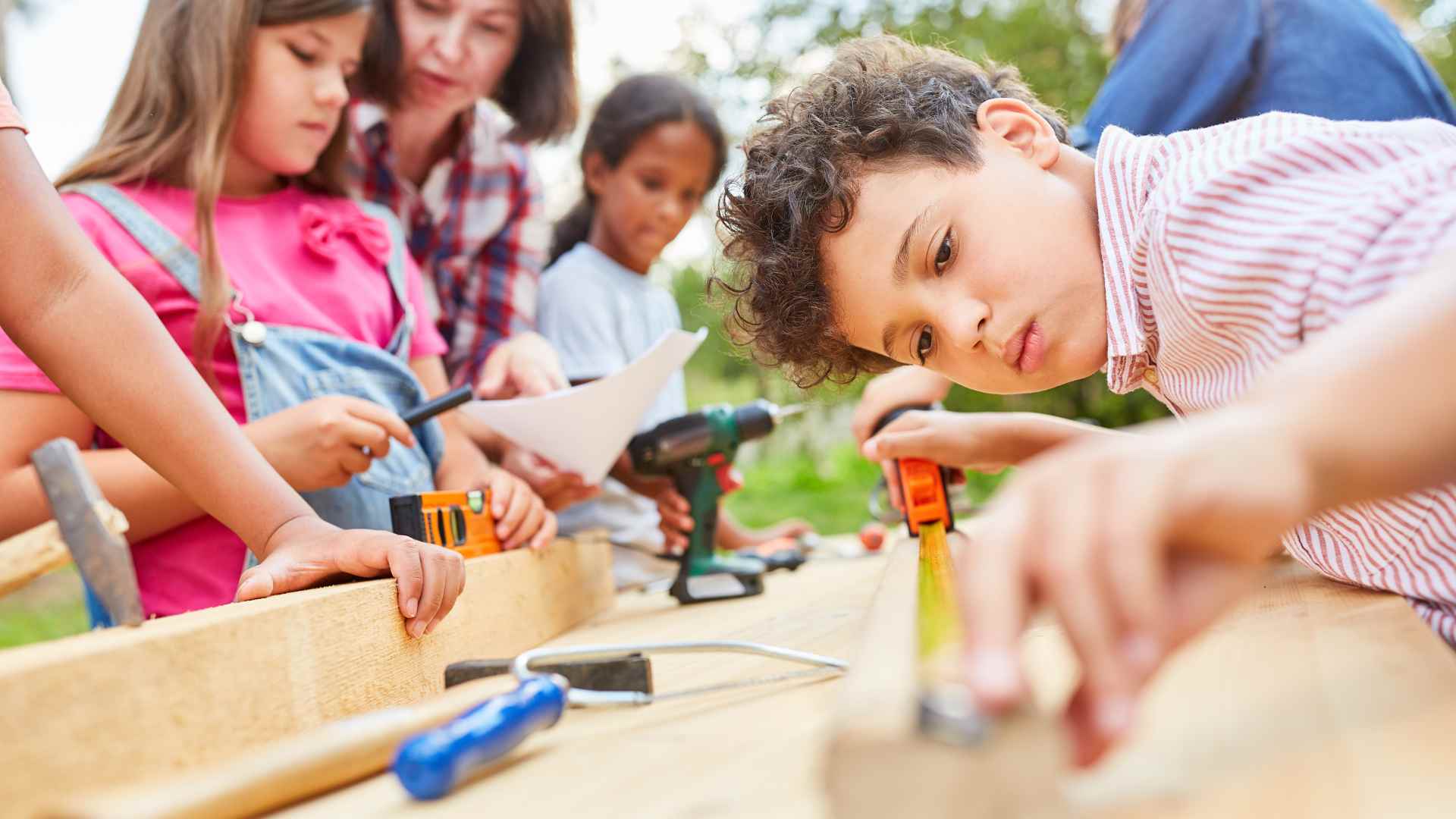
Some Sundays call for sitting still with your hands busy instead of running around. Simple crafts fill that need without requiring a trip to the store.
Keep a basket of basics on hand: paper, tape, markers, and cardboard scraps. A pile of simple crafts is easiest to sustain when it is built around supplies most families already have.
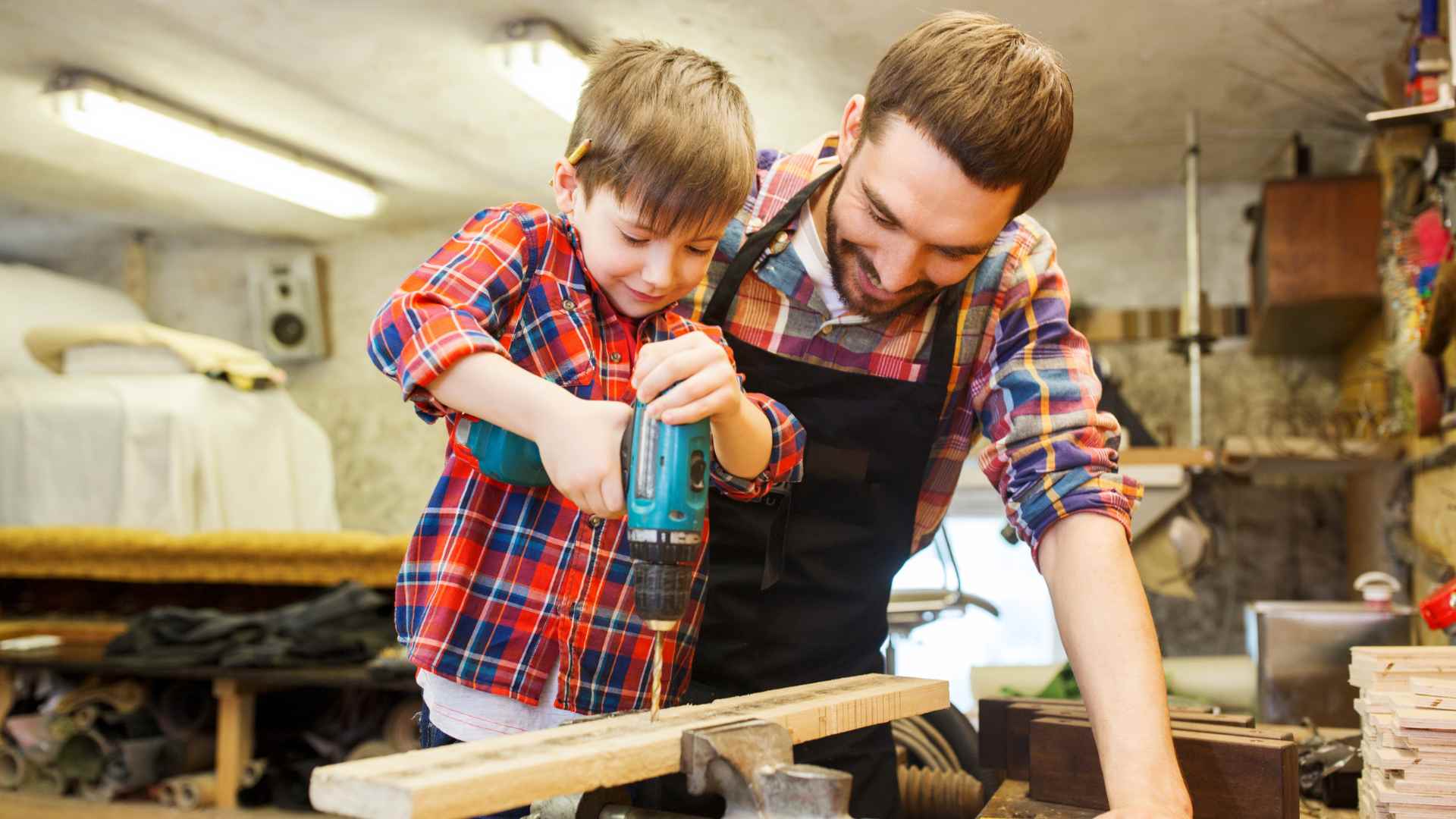
For older kids who roll their eyes at “crafts,” reframe it as a project. Building something like a birdhouse or a marble run scratches the same itch without the label.
Music counts here too, and it does not require any lessons. Pulling out pots, spoons, and a couple of real instruments for a living room jam session works surprisingly well.
Reading and Quiet Time
Not every hour of a screen-free Sunday needs to be active. A stretch of quiet reading time gives everyone, including you, a real break.
A cozy, dedicated spot helps this stick as a habit rather than a suggestion. A pile of pillows in a corner with a small lamp is usually enough to set up in an afternoon.
Reading together also has genuine developmental value beyond the quiet it buys you. Building consistent reading habits early is one of the most reliable predictors of later academic confidence.
Game Nights and Family Challenges
By late afternoon, energy usually needs a structured outlet again. This is where a board game or a backyard challenge earns its keep.
Rotate who picks the game each week so nobody feels stuck losing at the same one every Sunday. Our family game night guide has picks sorted by age and group size.
If the weather is decent, take the competition outside instead. A quick backyard obstacle course made from hula hoops and lawn chairs burns off the last of everyone’s energy before dinner.
Cooking and Baking Together
Dinner is a natural anchor point for a screen-free day, especially if kids help make it. Even small jobs like tearing lettuce or setting the table count as involvement.
Baking works well too, since it comes with a built-in reward. A batch of cookies made together on Sunday afternoon becomes its own small tradition fast.
If you have a toddler underfoot, keep their job simple, like stirring or sprinkling cheese. Meals you can prepare with a toddler helping tend to go faster when expectations stay low and messy.
Screen-Free Sundays for Toddlers and Preschoolers
Toddlers do not need elaborate plans. They need your attention and something textured to touch, stack, or pour.
Homemade playdough, water play in a bin, or a simple sensory box can fill an entire hour. A basic flour, salt, and oil playdough recipe uses ingredients most kitchens already have.
Keep expectations realistic at this age. A “successful” screen-free Sunday with a three year old often just means shorter, more frequent activities instead of one long outing.
Naps still count as part of the plan, not a failure of it. A well timed nap can be the difference between a smooth afternoon and a meltdown before dinner.
Screen-Free Sundays for Tweens and Teens
Older kids will push back harder, and that is a normal, expected part of this. Involve them in planning the day instead of announcing it, and resistance tends to drop.
Give tweens and teens more independence within the screen-free frame. A solo bike ride, a cooking project they run themselves, or time with a friend outdoors all count.
For kids this age, the goal is not to eliminate their world. It is to give them one day where boredom has room to turn into an actual idea.
What to Do When Everyone Complains
The first few screen-free Sundays are often the hardest, and that is normal too. Boredom shows up loudly before it turns into anything useful.
Resist the urge to fill every single silence for them. That flat, restless feeling is actually doing something, even when it looks like nothing is happening.
If you want backup for the “I’m bored” chorus specifically, our post on what to do when your kid says I’m bored has real scripts, not just activity lists.
You are not failing if the first attempt feels rocky. Most families need three or four tries before it starts to feel normal instead of forced.
Making It Stick Week After Week
Consistency matters more than intensity here. A modest, repeatable version of screen-free Sunday beats one perfect, exhausting attempt that never happens again.
Keep a running list of what actually worked so you are not reinventing the day from scratch every week. Even five reliable go-to activities is enough to keep it sustainable long term.
If Sundays feel like too much to start, our weekend family activities guide has lower-stakes ideas for easing into the habit first.
Frequently Asked Questions
How do I start a screen-free Sunday without a huge fight? Announce it the night before, keep the first attempt short, and have two backup activities ready so boredom has somewhere to go.
What age is right to start screen-free Sundays? Any age works, since toddlers just need shorter, simpler activities while older kids can help plan the day themselves.
What if my kid melts down when the screen goes off? That reaction is common and usually fades within a few weeks of a predictable, repeated routine.
Do parents have to go screen-free too? Yes, at least for the visible parts of the day, since kids notice a phone in a parent’s hand more than any rule spoken out loud.
How long should a screen-free Sunday last at first? Start with a manageable window like breakfast through dinner rather than a full sunrise-to-sunset day.