
Your kid begs for “just one more show,” and you dread the meltdown that comes when it ends.
An audiobook gives them the same immersive story, minus the screen fight, and minus the guilt.
Why Audiobooks Are a Screen-Free Parent’s Secret Weapon
An audiobook gives your kid the same swept away feeling as a screen, but their eyes, hands, and imagination stay wide open.
They can listen while building with blocks, coloring, or staring out the car window, and nobody has to pry a device away when it is over.
Common Sense Media’s guide to great audiobooks for kids points out that the format builds vocabulary and comprehension in a way passive video simply doesn’t ask of a child.
The American Academy of Pediatrics’ media guidance notes that what matters most is not a strict time limit but what a habit is crowding out, and a good story tends to crowd out scrolling instead of sleep or play.
For a family trying to dial back screens without a nightly battle, audiobooks are one of the easiest wins you will find.

How to Match an Audiobook to Your Kid (Not Just Their Age)
Age ranges on a package are a starting point, not a rulebook, because a nervous 7 year old might need a gentler story than a fearless 5 year old.
Listen to the first few minutes yourself before handing it over, especially for anything with a scary villain or a sad plot twist.
Pay attention to your kid’s actual interests too, since a horse obsessed 6 year old will sit through almost anything once a pony shows up.
If you are still working on building a reading habit in general, our guide to how to encourage a love of reading has more ideas that pair well with audiobooks.
Narrator matters more than people expect, so if your kid checks out after chapter one, the story might be fine but the voice might not be.
Best Audiobooks for Toddlers and Preschoolers (Ages 2 to 4)
At this age, shorter is better, and repetition is a feature, not a bug.
Picture book read alongs with simple sound effects and a calm narrator work best, since toddlers are still building the attention span for a full chapter.
Classic choices include board book collections read aloud, nursery rhyme compilations, and gentle animal stories with lots of rhythm and repeated phrases.
Keep sessions to 10 or 15 minutes and let your toddler control the “again” button as much as they want.
Zero to Three’s research on early reading habits found that the more words a young child hears over time, the more words they learn, and audio stories count toward that exposure.
Best Audiobooks for Early Readers (Ages 5 to 7)
This is prime chapter book territory, even for kids who are not yet reading chapter books on their own.
Look for stories broken into short chapters with a strong sense of humor, since kids this age will forgive a slow plot if the jokes land.
Beginning series like early adventure sets, animal stories, and silly school story collections tend to hook this age group fast.
A lot of parents use this stage to start a bedtime audiobook routine instead of a show before sleep.
Once the story replaces the screen at bedtime, the “just five more minutes” negotiation tends to quiet down on its own.
Best Audiobooks for Ages 8 to 10
Kids this age can handle longer, more complex plots, and many are ready for full length novels well above their independent reading level.
This is often where audiobooks quietly outperform print, since a strong reader can listen to and understand a book that would be a struggle to decode alone.
Adventure series, mystery collections, and fantasy quests with a big cast of characters tend to be the sweet spot.
Many kids this age also enjoy an audiobook paired with the print copy, following along while they listen.
That combination builds fluency without turning reading time into a chore.
Best Audiobooks for Tweens (Ages 11 to 13)
Tweens want stories that respect them, not stories that talk down to them, so look for realistic fiction, humor, and page turner mysteries.
This is also a good age to introduce audiobooks tied to a school reading list, since listening to an assigned novel can make a dreaded assignment feel manageable.
Longer series work well here too, because tweens often want to commit to a world for weeks, not just an afternoon.
Let them choose their own titles when you can, since ownership over the pick is what keeps this age group engaged.
A tween who picks their own audiobook is far more likely to ask for another one.
Series Worth Binge Listening as a Family
Family audiobook time works especially well on long car rides, rainy weekends, or during dinner prep when everyone is already in one room.
Choose a series with enough books to fill a season, so you are not scrambling to pick a new one every week.
Fantasy quests, classic adventure novels, and humor series with short episodic chapters all hold up well to group listening.
If a car ride is where most of your family listening happens, pair it with a few of our car games for kids for the stretches when attention wanders.
Rotate who picks the next series so everyone gets a turn choosing the story.
Screen-Free Ways to Actually Play Audiobooks
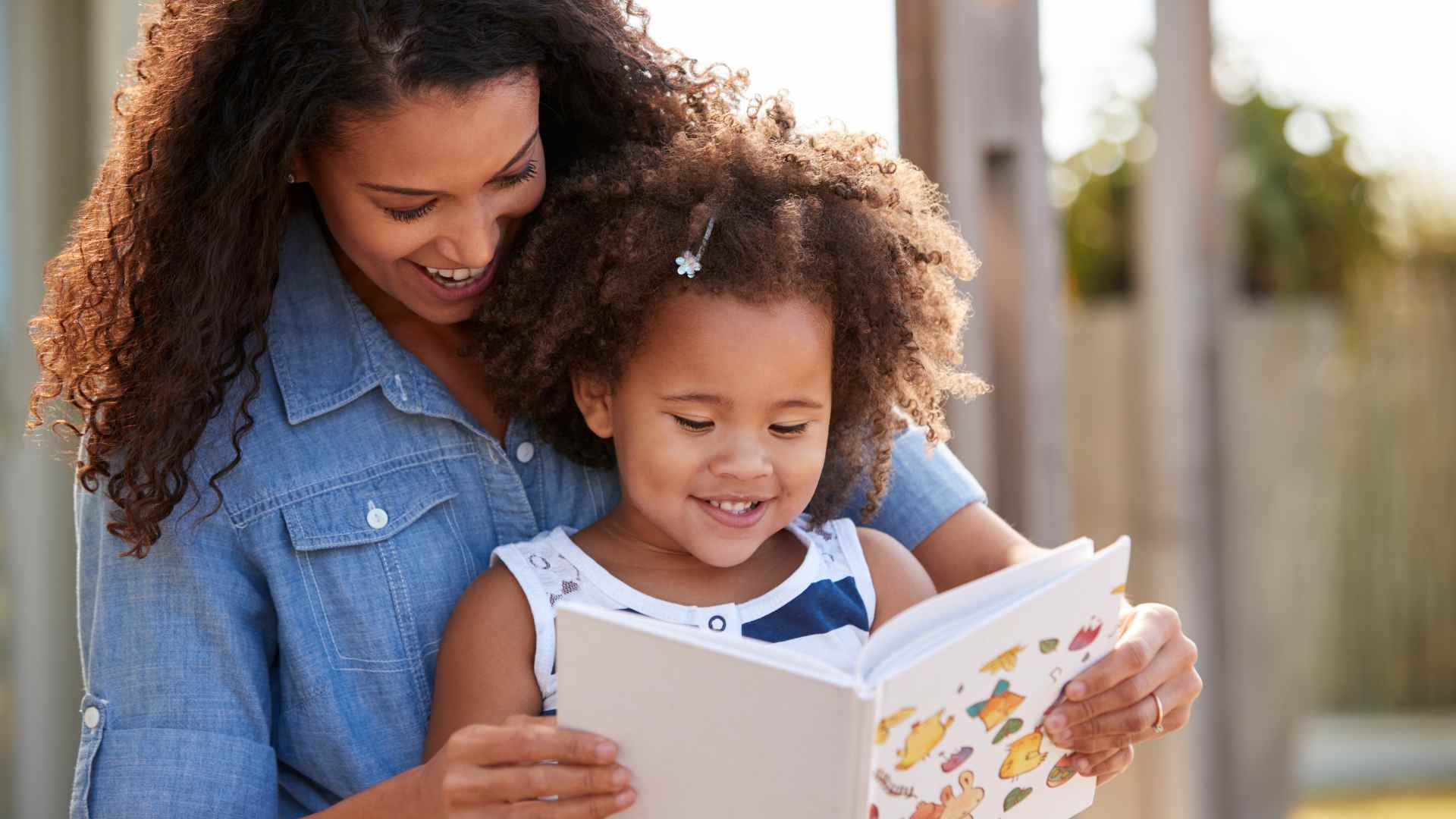
The whole point of an audiobook is that it does not require a screen, so a phone or tablet propped up on the counter defeats the purpose.
Kid friendly audio players, screen-free MP3 players made for children, and simple speaker systems all let a kid hit play without unlocking a device full of apps and notifications.
A dedicated audio player also means your kid is not tempted to swipe over to a game between chapters.
If you are building a cozy spot for your kid to unwind with a story, our reading nook for kids guide has ideas for turning a corner of a room into a real listening spot.
A basic set of headphones or a small speaker is really all the equipment you need.
Where to Find Audiobooks Free and Paid
Public libraries remain the best free option, with most offering instant digital checkouts through library apps that work on a family tablet or a dedicated player.
Subscription services offer huge catalogs for a monthly fee, which is worth it if your family listens daily.
Some publishers also offer free audiobook samples or public domain classics at no cost at all.
Before you buy anything, check what your library already offers, since many families end up paying for a service that duplicates what a library card provides for free.
A quick call to your local branch can save you a subscription fee entirely.
Building a Listening Habit That Actually Sticks
The easiest way to build the habit is to attach it to something that already happens every day, like the drive to school or the wind down before bed.
Kids thrive on predictability, so a consistent time slot works better than an occasional treat.
Let your kid see the physical book cover or a printed list of the series, so the story feels like a real object, not an invisible file.
If you are early in cutting back screens generally, our screen free parenting beginners guide walks through how to build routines like this one without a fight.
Give it two weeks before you judge whether it is working, since new routines take time to feel normal.
Does Listening Count as Reading? What the Research Actually Says
Short answer: mostly yes, though it is not identical to reading print.
Listening comprehension and reading comprehension draw on many of the same brain systems, including vocabulary, story structure, and inference.
NAEYC’s research on reading aloud with young children found that picture books contain far richer vocabulary than everyday conversation, and audiobooks carry that same rich language.
The one gap is decoding, meaning the skill of matching letters to sounds on a page, and that only comes from practice with print.
That is why audiobooks work best as a companion to reading, not a full replacement for it, especially for a child who is still learning to read independently.
For the bigger picture on how screens and audio fit into your family’s routine at different ages, our screen time guidelines by age breaks it down stage by stage.
Best Moments to Reach for an Audiobook Instead of a Screen
Car rides are the obvious one, but do not overlook chores, since folding laundry or unloading the dishwasher goes faster with a good story playing.
Rainy afternoons, waiting rooms, and the 20 minutes before dinner is ready are all natural openings.
Audiobooks also work well during quiet independent play, like building with blocks or coloring at the table.
The goal is not to fill every silent moment, just to have a go to option ready for the moments that usually end in a screen request.
Frequently Asked Questions
Are audiobooks as good as reading print books? They build much of the same vocabulary and comprehension skill as print, and kids still need practice with printed text to learn decoding.
Do audiobooks count as screen time? No, since there is no screen involved, most guidance treats audio listening as separate from screen time.
What age can kids start listening to audiobooks? Most toddlers can enjoy short audio stories starting around age 2, with attention spans growing from there.
How long should a listening session be for young kids? Aim for 10 to 15 minutes for toddlers and preschoolers, and let older kids listen as long as their interest holds.
Where is the cheapest place to find audiobooks for kids? Your local public library almost always offers free digital audiobook checkouts through an app tied to your library card.
Your Screen-Free Story Time Starts Tonight
You do not need a special device, a subscription, or a screen to give your kid an incredible story tonight.
A library card, a speaker, and 15 quiet minutes together is really enough to start.
Pick one title from the age range that fits your kid, press play, and see what happens to the room.
Chances are good it gets a lot quieter, in the best way.